The BBC Arabic has a program where they talk about high-performing women in sports the world round. They talked about a horse-back rider from Egypt who does a sport called equestrian sport called 'Kalla', at least in Arabic, which she won some competitions in.
She was saying how when the sport was first introduced, men and women trained separately; and the courses for women were made easier. But since then, things have equalized.
She says the sport taught her concentration in a whole new way.
They talked about another young Arab woman who is really good at jiu jitsu. She now teaches classes to young girls to get them involved. She talked a whole lot about how even if it's a small thing, she's going to do the best she can to make a difference and inspire young people.
But they don't only talk about Arab women in sports. They mentioned this Norwegian lady who has gotten more Olympic medals than any other:
Showing posts with label Norway. Show all posts
Saturday, February 17, 2018
Tuesday, September 15, 2015
Scandinavia in the Arabic news
Yesterday, the BBC Arabic had a Norwegian man in the news, for about 5 seconds:
The man on the left is Jens Stoltenberg. He is the the Secretary-General of NATO.
But today was much better because a Swedish man was on the news, and for a longer time, too!!!
This is Stefan di Mistura. He is the UN envoy to Syria.
He was talking about Russia sending warships to Syria.
The Swedish man said: Russia should be the one to decide when to send warships, it should be the UN.
Then he added: We understand the Russians want to put down Daa-esh (ISIS), but they cannot be beaten by dropping bombs or even by killing fighters. We need to solve the root problems.
The man on the left is Jens Stoltenberg. He is the the Secretary-General of NATO.
But today was much better because a Swedish man was on the news, and for a longer time, too!!!
This is Stefan di Mistura. He is the UN envoy to Syria.
He was talking about Russia sending warships to Syria.
The Swedish man said: Russia should be the one to decide when to send warships, it should be the UN.
Then he added: We understand the Russians want to put down Daa-esh (ISIS), but they cannot be beaten by dropping bombs or even by killing fighters. We need to solve the root problems.
Saturday, August 1, 2015
Safe Zones in Syria, and a Norwegian man Talks about Turkey
They had the man who is in charge of NATO on the BBC Arabic giving a speech.
He is Norwegian. He used to be the Norwegian prime minister.
I don't know if he's really in charge of NATO, but he has a fancy title.
So here he is. He was saying that the attack on the people and army of Turkey in the south of that country was very deplorable.
(Reporters and camera-people rush across the main hall to take photos. )
This is Jens Stoltenberg.
Jens Stoltenberg while someone from the BBC Arabic reports live from Istanbul.
Jens Stoltenberg looks up.
Right, so about this bomb: people in Turkey are very angry about it. Some of them blame the government, I think so there have been riots, which the Turkish police have been attacking:
In the mean, the US announces that together with Turkey, they want to set up a safe, Daaesh-free (ISIS-free) zone in the north of Syria for all the Syrians:
This man gave some insight about what was going on:
He asked: how is this safe zone going to be enforced? Will the US and Turkey send ground troops, or will it be purely through air power? Will the Kurdish armies be allowed a role?
He is Norwegian. He used to be the Norwegian prime minister.
I don't know if he's really in charge of NATO, but he has a fancy title.
So here he is. He was saying that the attack on the people and army of Turkey in the south of that country was very deplorable.
(Reporters and camera-people rush across the main hall to take photos. )
This is Jens Stoltenberg.
Jens Stoltenberg while someone from the BBC Arabic reports live from Istanbul.
Jens Stoltenberg looks up.
Right, so about this bomb: people in Turkey are very angry about it. Some of them blame the government, I think so there have been riots, which the Turkish police have been attacking:
In the mean, the US announces that together with Turkey, they want to set up a safe, Daaesh-free (ISIS-free) zone in the north of Syria for all the Syrians:
This man gave some insight about what was going on:
He asked: how is this safe zone going to be enforced? Will the US and Turkey send ground troops, or will it be purely through air power? Will the Kurdish armies be allowed a role?
Wednesday, December 31, 2014
Darfur on the BBC Arabic again
Sudan recently kicked two UN workers out of the country, so the BBC Arabic hosted a dialogue between a representative of the UN, and a representative of Sudan's government:
Resha Qandeel is the lady on the left. She works for the BBC Arabic and she was asking the questions.
First, they showed footage of the UN activities in Sudan. Especially, they were focused on UNAMID, a peacekeeping force from the UN and African United that is stationed in Darfur.
Resha started with the UN representative first. I've seen him on the BBC Arabic before talking about this very topic. His name is Abdul-Hamid Siyam.
Resha from the BBC: This isn't the first time Sudan has kicked out UN workers, is it?
Siyam from the UN: No, indeed, there have been many crises between the UN and Sudan. For example, Sudan ordered Jan Pronk out of the country a few years ago.
(Jan Pronk was the Special Representative of the UN in Sudan at one point).
Mr. Siyam continued: Last year, Sudan asked the representative another UN agency also to get out. And now Sudan is asking two additional UN officials to leave. And they asked one of them to completely shut her office. There is a crisis of confidence between Sudan and the UN, especially when it comes to Darfur. And I want to say that 2014 has been the worst for Darfur, in which 470,000 local people were kicked out of their homes. It's been the worst year. That's why the UN wants to have these officials there. But Sudan doesn't want to be subjected to investigation, and that is why Sudan is mad.
Resha now turned to the man speaking for Sudan. Resha asked: Just last week, the UN asked for permission to visit a certain area of the country that has seen fighting, and possibly civilians being attacked. Why every time the UN asks for permission to visit a part of the country do you end up closing an office or kicking people out?
Man from Sudan's government: We don't have a crisis with the UN. We are a member of the UN, and blah blah blah. However, there are people who have an unfair political agenda against Sudan. And I would like to correct some of the stuff that the man from America said.
[Yes, the Man from Sudan's government actually referred to Mr. Siyam from the UN as the 'Man from America', just because Mr. Siyam was skyping in from New York. Wow!]
The Man from Sudan spoke in a kind of mumbled voice, so I had a hard time understanding him and what exactly he was so mad about, but apparently Mr. Siyam had given the wrong title for Jan Pronk's job in Sudan, so that needed to be corrected. The Man from Sudan was also mad because according to him, something had happened in 2006 and 'is it right that a person from the UN should say such a thing? Is that diplomatic language?'
Resha: Okay, back to my question. The UN asked for permission to visit an area of the country. They asked to investigate a place. The question is, every time the UN asks to see a part of the country, you have a problem with that.
Man from Sudan: My dear lady, we asked a woman called Yvonne Hilli to leave, this is true, and by the way, she's from Holland.This lady had already visited the place under question, and she already wrote a report about it, so that's the end of it.
Rehsa: So why do you want her to leave?
Man from Sudan: Why should they want to go investigating the same place all over again? Why should they want to go find evidence for things that they couldn't find the first time? Why such an insistence for something that is not justified? I think this is a plot against Sudan. Also, the other man whom we kicked out, Mr. Al Zaatari: he said that the Sudanese people are living under an iron first because of President Bashir. Saying such a thing is not just an insult to President Bashir, that is an insult to all of Sudan!!
Resha: Okay, so to prove that Sudan is not under an iron fist, you decide to kick the UN official out? Yes?
Man from Sudan: No! No!
Resha: Mmmm hmmmm. Turns back to Mr. Siyam from the UN and asks him: what measures can the UN take if Sudan keeps kicking people out every time they want to investigate something?
Mr. Siyam from the UN: First, I want to respond to the Man from Sudan. I want to say that I personally know Mr. Al Zaatari, he is a wonderful, very honorable person, he has worked in Libya and Iraq, and he has a very high reputation. He would never insult anyone. I will tell you what happened. Mr. Al Zaatari did an interview with a Norwegian journalist. When that journalist wrote up her article, she wrote that Sudan is living under the iron fist of President Bashir. Mr. Al Zaatari wasn't the one who said that, and he would never insult the Sudanese people, and besides that, he is Arab himself!
Mr. Siyam continues: As for the place where we want to investigate: yes, it is true we already have a report from there. But, this report was done very fast, and it was criticized internally at the UN, and so the UN asked that the investigation be reopened. It was very important because it is about crimes happening in Darfur. We have also had an independent group criticizing the UN, and saying the UN is trying to cover up crimes happening in Darfur. That is why we wanted to send the team again.
Then Resha asked some more questions but I didn't really understand. My Arabic could use some more work.
Resha Qandeel is the lady on the left. She works for the BBC Arabic and she was asking the questions.
First, they showed footage of the UN activities in Sudan. Especially, they were focused on UNAMID, a peacekeeping force from the UN and African United that is stationed in Darfur.
Resha started with the UN representative first. I've seen him on the BBC Arabic before talking about this very topic. His name is Abdul-Hamid Siyam.
Resha from the BBC: This isn't the first time Sudan has kicked out UN workers, is it?
Siyam from the UN: No, indeed, there have been many crises between the UN and Sudan. For example, Sudan ordered Jan Pronk out of the country a few years ago.
(Jan Pronk was the Special Representative of the UN in Sudan at one point).
Mr. Siyam continued: Last year, Sudan asked the representative another UN agency also to get out. And now Sudan is asking two additional UN officials to leave. And they asked one of them to completely shut her office. There is a crisis of confidence between Sudan and the UN, especially when it comes to Darfur. And I want to say that 2014 has been the worst for Darfur, in which 470,000 local people were kicked out of their homes. It's been the worst year. That's why the UN wants to have these officials there. But Sudan doesn't want to be subjected to investigation, and that is why Sudan is mad.
Resha now turned to the man speaking for Sudan. Resha asked: Just last week, the UN asked for permission to visit a certain area of the country that has seen fighting, and possibly civilians being attacked. Why every time the UN asks for permission to visit a part of the country do you end up closing an office or kicking people out?
Man from Sudan's government: We don't have a crisis with the UN. We are a member of the UN, and blah blah blah. However, there are people who have an unfair political agenda against Sudan. And I would like to correct some of the stuff that the man from America said.
[Yes, the Man from Sudan's government actually referred to Mr. Siyam from the UN as the 'Man from America', just because Mr. Siyam was skyping in from New York. Wow!]
The Man from Sudan spoke in a kind of mumbled voice, so I had a hard time understanding him and what exactly he was so mad about, but apparently Mr. Siyam had given the wrong title for Jan Pronk's job in Sudan, so that needed to be corrected. The Man from Sudan was also mad because according to him, something had happened in 2006 and 'is it right that a person from the UN should say such a thing? Is that diplomatic language?'
Resha: Okay, back to my question. The UN asked for permission to visit an area of the country. They asked to investigate a place. The question is, every time the UN asks to see a part of the country, you have a problem with that.
Man from Sudan: My dear lady, we asked a woman called Yvonne Hilli to leave, this is true, and by the way, she's from Holland.This lady had already visited the place under question, and she already wrote a report about it, so that's the end of it.
Rehsa: So why do you want her to leave?
Man from Sudan: Why should they want to go investigating the same place all over again? Why should they want to go find evidence for things that they couldn't find the first time? Why such an insistence for something that is not justified? I think this is a plot against Sudan. Also, the other man whom we kicked out, Mr. Al Zaatari: he said that the Sudanese people are living under an iron first because of President Bashir. Saying such a thing is not just an insult to President Bashir, that is an insult to all of Sudan!!
Resha: Okay, so to prove that Sudan is not under an iron fist, you decide to kick the UN official out? Yes?
Man from Sudan: No! No!
My respect for Resha Qandeel went up about 10 times at that point.
Resha: Mmmm hmmmm. Turns back to Mr. Siyam from the UN and asks him: what measures can the UN take if Sudan keeps kicking people out every time they want to investigate something?
Mr. Siyam from the UN: First, I want to respond to the Man from Sudan. I want to say that I personally know Mr. Al Zaatari, he is a wonderful, very honorable person, he has worked in Libya and Iraq, and he has a very high reputation. He would never insult anyone. I will tell you what happened. Mr. Al Zaatari did an interview with a Norwegian journalist. When that journalist wrote up her article, she wrote that Sudan is living under the iron fist of President Bashir. Mr. Al Zaatari wasn't the one who said that, and he would never insult the Sudanese people, and besides that, he is Arab himself!
The Man from Sudan (right screen) and Mr. Siyam from the UN (left screen)
Mr. Siyam continues: As for the place where we want to investigate: yes, it is true we already have a report from there. But, this report was done very fast, and it was criticized internally at the UN, and so the UN asked that the investigation be reopened. It was very important because it is about crimes happening in Darfur. We have also had an independent group criticizing the UN, and saying the UN is trying to cover up crimes happening in Darfur. That is why we wanted to send the team again.
Then Resha asked some more questions but I didn't really understand. My Arabic could use some more work.
Saturday, October 11, 2014
Norway making the rounds on the Arabic News!
Just now, listening to the BBC Arabic talking about the Gaza Donor conference in Cairo, they mentioned Norway! They actually showed an interview they did with the Norwegian Foreign Minister.
He looks a little tired, at least in this picture.
They have written his name in Arabic on the first line. It says: Broog Brindeh. I don't actually know what the name of the foreign minister in Norway is, but I'm guessing it's not Broog Brindeh. I shall wait to be surprised!
And before they showed the interview with the Foreign Minister, they showed this guy:
He was speaking beautiful Arabic - better than I could - but with a western accent. So is he Norwegian? I thought he might be because they'd already been talking about Norway at the point in the report where he showed up. It does not seem to identify him in the caption.
The Cairo conference is all about rebuilding houses, electricity, and schools, and water supplies. I wish them good luck!
The BBC Arabic has a whole interview with the Norwegian foreign minister on their YouTube page if you click here. But jeez louise! They've gone and made that video private! What's up with that!!!???
He looks a little tired, at least in this picture.
They have written his name in Arabic on the first line. It says: Broog Brindeh. I don't actually know what the name of the foreign minister in Norway is, but I'm guessing it's not Broog Brindeh. I shall wait to be surprised!
And before they showed the interview with the Foreign Minister, they showed this guy:
He was speaking beautiful Arabic - better than I could - but with a western accent. So is he Norwegian? I thought he might be because they'd already been talking about Norway at the point in the report where he showed up. It does not seem to identify him in the caption.
The Cairo conference is all about rebuilding houses, electricity, and schools, and water supplies. I wish them good luck!
The BBC Arabic has a whole interview with the Norwegian foreign minister on their YouTube page if you click here. But jeez louise! They've gone and made that video private! What's up with that!!!???
Thursday, May 15, 2014
Sunday, May 11, 2014
Plane Ride to Norway
I stood in two long lines before I could finally get onboard the plane to Norway. The first line was mostly Norwegians or Swedes. I slipped in behind a Norwegian man, and he gave me a friendly smile and asked, "Oslo?" I said yes, and was quite pleased because although Norwegian, he had that same sort of Swedish face that wishes you every goodness the world can offer, and they are always saying how cold and distant Norwegians can be (think 'nej, nej, nej, nej, nej!'), but this man was being friendly.
Alas, it was very short-lived. I started to talk to him (where in Norway do you live, and what are you doing here - a cruise - and is this your first time in the US), but it finally dawned on me that he was getting annoyed, after all.
Fast-forward a few hours. We were at the gate, and now I was very annoyed because our flight was already delayed by an hour, and I had some very important things to do in Norway before a connecting flight bore me away. Again, it was mostly Scandinavians waiting, but there were some Americans as well. I could pick them out immediately. It was a group of youngsters, either college or high school seniors, being the loudest people in the airport. It wasn't long before I knew every detail of their lives: who was boyfriend/girlfriend, who had a brother, their final destination (Paris), their opinions regarding the French, and how long their Oslo lay-over was.
After an hour delay, we finally formed another long line by the boarding gate, but it went nowhere. As luck would have it, I ended up next to the Americans in the line. At first, I gritted my teeth and wished they'd shut up because I had a fierce head-ache by this time, but then I remembered that Americans are usually loud just because they want to talk to someone! And, just perhaps, end the multi-hour wait in line as newly-minted 'best friends'. All I had to do was look over my shoulder as they complained about the long line, complain along with them, and immediately we were sworn allies. Everyone else was standing quietly, but that didn't stop us!
"Well, for a first experience with Norwegian, this has been hashtag-bad," said one.
"Norwegian sucks," added another.
I pointed carefully at the two men in front of us, and mouthed, "I think they are Norwegian!"
"Oh, it doesn't make a difference! I like the people. Everyone makes fun of them."
By now, the delay had grown to an hour and a half. The loudest of the Americans wandered off to the front of the line to get the scoop. He reported back: "The lady at the front says we're delayed another twenty, thirty minutes. And she tells me this as if it's a good thing. Oh, only twenty more minutes, they're refueling!"
This was thoroughly discussed and complained over, and Norwegian was insulted some more, and then we found more space for insults because the only reason our flight was delayed in the first place was because we'd had to give up our airplane parking spot to Norwegian's flight from the day before, headed to Copenhagen. That flight had been canceled outright, and no one seemed to know why, and its rescheduled departure two hours before our flight to Oslo had caused the hold-up. Even when you asked the Norwegian staff, they just shrugged their shoulders and looked puzzled. Then we complained some more because another of the staff had told us that Oslo's airport is "very big" and we were wondering how we'd catch our connecting flights within the rapidly shrinking window of opportunity.
Finally, one of the Americans said hopefully: "oh, there's a man with an orange vest up front. That usually means something."
"Yeah! Twenty more minutes to wait!"
Then they started placing bets, or maybe they were thinking of bribes. "I'll bet if you gathered 600 Scandinavian dollars and just gave it to them ... and it would end up being like six bucks."
Ten minutes after the "twenty, thirty more minutes" report, they opened the doors and we started boarding the plane.
"These people have no sense of time!" the loudest American couldn't help muttering.
Well, maybe nine hours and some time zone changes later, we did make it safely to Oslo, which is all you can really ask for. Except then, it took forever for our luggage to be delivered to the baggage claim. I just wanted to point that out because Europeans are always turning up their noses about how much better and more efficient their airports are than ours, yet for some reason, while Norwegian fell asleep with our bags, Delta was able to transfer my checked bag from plane to plane during a forty minute lay-over in Atlanta, and you know that Atlanta is the world's busiest. So there.
I'll end with a good note: the train ride from the Oslo airport to central Oslo is gorgeous! It was a rainy, cloudy day, but that didn't stop the view from my train window from being absolutely gorgeous.
Alas, it was very short-lived. I started to talk to him (where in Norway do you live, and what are you doing here - a cruise - and is this your first time in the US), but it finally dawned on me that he was getting annoyed, after all.
Fast-forward a few hours. We were at the gate, and now I was very annoyed because our flight was already delayed by an hour, and I had some very important things to do in Norway before a connecting flight bore me away. Again, it was mostly Scandinavians waiting, but there were some Americans as well. I could pick them out immediately. It was a group of youngsters, either college or high school seniors, being the loudest people in the airport. It wasn't long before I knew every detail of their lives: who was boyfriend/girlfriend, who had a brother, their final destination (Paris), their opinions regarding the French, and how long their Oslo lay-over was.
After an hour delay, we finally formed another long line by the boarding gate, but it went nowhere. As luck would have it, I ended up next to the Americans in the line. At first, I gritted my teeth and wished they'd shut up because I had a fierce head-ache by this time, but then I remembered that Americans are usually loud just because they want to talk to someone! And, just perhaps, end the multi-hour wait in line as newly-minted 'best friends'. All I had to do was look over my shoulder as they complained about the long line, complain along with them, and immediately we were sworn allies. Everyone else was standing quietly, but that didn't stop us!
"Well, for a first experience with Norwegian, this has been hashtag-bad," said one.
"Norwegian sucks," added another.
I pointed carefully at the two men in front of us, and mouthed, "I think they are Norwegian!"
"Oh, it doesn't make a difference! I like the people. Everyone makes fun of them."
By now, the delay had grown to an hour and a half. The loudest of the Americans wandered off to the front of the line to get the scoop. He reported back: "The lady at the front says we're delayed another twenty, thirty minutes. And she tells me this as if it's a good thing. Oh, only twenty more minutes, they're refueling!"
This was thoroughly discussed and complained over, and Norwegian was insulted some more, and then we found more space for insults because the only reason our flight was delayed in the first place was because we'd had to give up our airplane parking spot to Norwegian's flight from the day before, headed to Copenhagen. That flight had been canceled outright, and no one seemed to know why, and its rescheduled departure two hours before our flight to Oslo had caused the hold-up. Even when you asked the Norwegian staff, they just shrugged their shoulders and looked puzzled. Then we complained some more because another of the staff had told us that Oslo's airport is "very big" and we were wondering how we'd catch our connecting flights within the rapidly shrinking window of opportunity.
Finally, one of the Americans said hopefully: "oh, there's a man with an orange vest up front. That usually means something."
"Yeah! Twenty more minutes to wait!"
Then they started placing bets, or maybe they were thinking of bribes. "I'll bet if you gathered 600 Scandinavian dollars and just gave it to them ... and it would end up being like six bucks."
Ten minutes after the "twenty, thirty more minutes" report, they opened the doors and we started boarding the plane.
"These people have no sense of time!" the loudest American couldn't help muttering.
Well, maybe nine hours and some time zone changes later, we did make it safely to Oslo, which is all you can really ask for. Except then, it took forever for our luggage to be delivered to the baggage claim. I just wanted to point that out because Europeans are always turning up their noses about how much better and more efficient their airports are than ours, yet for some reason, while Norwegian fell asleep with our bags, Delta was able to transfer my checked bag from plane to plane during a forty minute lay-over in Atlanta, and you know that Atlanta is the world's busiest. So there.
I'll end with a good note: the train ride from the Oslo airport to central Oslo is gorgeous! It was a rainy, cloudy day, but that didn't stop the view from my train window from being absolutely gorgeous.
Saturday, April 5, 2014
Palestinian Voices: Israeli Settlement Boycott
(March 25, 2014)
The BBC Arabic held a discussion with a group of Palestinians about the boycott efforts targeting Israeli settlements.
Some of the things they talked about were: how the movement began overseas first ... and why sometimes Palestinians buy Israeli products, and where they can find different options. One lady was explaining that often times, buying imported goods from Syria or Jordan is cheaper than buy goods produced at the higher wages that Israelis get.
This is a student at a university:
She says they've boycotted Israeli goods in their cafeteria since 2007. She took us on a tour of all the chips and candy to show us that "the cafeteria is 100% clear", as the sign below assures.
Then they were talking about the foreign companies which have joined the boycott movement, and you should know that Sweden and Norway came off looking so good!
They talked about how the European Union had put regulations in place targeting Israeli companies ... and that a company called Veiola had lost $20 billion through the boycott. Veiola does stuff in the illegal Israeli settlements. It lost all that money after companies in Sweden, Ireland, the UK, and the US pulled out from investing in it.
But, they also mentioned a Danish-British company called G4S, which is under scrutiny by the boycott movement for its activities. I think they sell defense equipment to Israeli settlements, or something like that.
The BBC Arabic held a discussion with a group of Palestinians about the boycott efforts targeting Israeli settlements.
Some of the things they talked about were: how the movement began overseas first ... and why sometimes Palestinians buy Israeli products, and where they can find different options. One lady was explaining that often times, buying imported goods from Syria or Jordan is cheaper than buy goods produced at the higher wages that Israelis get.
This is a student at a university:
She says they've boycotted Israeli goods in their cafeteria since 2007. She took us on a tour of all the chips and candy to show us that "the cafeteria is 100% clear", as the sign below assures.
Then they were talking about the foreign companies which have joined the boycott movement, and you should know that Sweden and Norway came off looking so good!
They talked about how the European Union had put regulations in place targeting Israeli companies ... and that a company called Veiola had lost $20 billion through the boycott. Veiola does stuff in the illegal Israeli settlements. It lost all that money after companies in Sweden, Ireland, the UK, and the US pulled out from investing in it.
Finally, the University of Bergen in Norway got its own special shout-out: such-and-such company lost this much money when the University of Bergen divested from it.
But, they also mentioned a Danish-British company called G4S, which is under scrutiny by the boycott movement for its activities. I think they sell defense equipment to Israeli settlements, or something like that.
Norway and NATO
(March 28, 2014)
NATO has a new civilian head who will take over in a couple of months, and as he is Norwegian, I took screenshots as the BBC Arabic announced the news. It was just a small story that ran a couple of times:
He is a former Norwegian Prime Minister. These photos look like they come from a Norwegian voting hall.
NATO has a new civilian head who will take over in a couple of months, and as he is Norwegian, I took screenshots as the BBC Arabic announced the news. It was just a small story that ran a couple of times:
He is a former Norwegian Prime Minister. These photos look like they come from a Norwegian voting hall.
Sunday, March 9, 2014
Winter Olympics
(February 12, 2014)
I thought that the BBC Arabic would cover the Sochi Olympics heavily, which I was glad about, because it meant seeing lots of Swedes and Norwegians. I was judging based on all the coverage the BBC Arabic devoted to the London games two years ago.
Alas! I forgot to reckon on the winter Olympics being less popular than the summer Olympics. The BBC Arabic hardly said a word. I think they might have mentioned Norway once or twice.
I don't know, this flying skier might or might not be Norwegian:
I was traveling the final weekend of the Olympics, so I did not catch how big of a deal they made of the hockey finals, which Sweden was part of. But I did hear a flattering analysis of the Swedish hockey team, pre-game, on CNN at the airport in the middle of the night!
I thought that the BBC Arabic would cover the Sochi Olympics heavily, which I was glad about, because it meant seeing lots of Swedes and Norwegians. I was judging based on all the coverage the BBC Arabic devoted to the London games two years ago.
Alas! I forgot to reckon on the winter Olympics being less popular than the summer Olympics. The BBC Arabic hardly said a word. I think they might have mentioned Norway once or twice.
I don't know, this flying skier might or might not be Norwegian:
I was traveling the final weekend of the Olympics, so I did not catch how big of a deal they made of the hockey finals, which Sweden was part of. But I did hear a flattering analysis of the Swedish hockey team, pre-game, on CNN at the airport in the middle of the night!
Thursday, February 13, 2014
Freedom of the Press
(February 12, 2014)
Reporters Without Borders released a report yesterday about how freedom of the media was going backwards not only in countries riddled with dictators and crackpot rulers, but also in democracies. In fact, the US fell 13 places in this report, compared to its previous standing. It is now in the 46th spot for press freedoms.
The BBC Arabic interviewed this lady:
I think she is from accusing party (from Reporters without Borders.)
She said that the US is using the exact same techniques for press repression as you see crazy governments using.
And come to think of it, I did not see a word about this story on Yahoo, or on Google news, or anywhere in the American press yesterday.
The reason for the US's sharp fall was:
- The Department of Justice is spying on everyone, and I guess on journalists, too.
- And the government is searching people's homes.
- And because of Edward Snowdon.
PS. I don't understand Arabic very well, so if I got it wrong and am repeating incorrect things, I apologize! I'm confused because I thought the NSA was spying on everyone. But the BBC Arabic showed a picture of the Department of Justice. Maybe they are both in cahoots.
The lady interviewed said: if the US is going backwards in these matters, who is going to tell the crazy governments to shape up?
Finally, they showed a beautiful map. The colors indicate how free the press is. The redder your cheeks, the more you have to be ashamed of.
This map is beautiful because my dear, darling Sweden is alabaster pure.
Free of charge, you also now know how to spell 'Norway', 'Finland', and 'Holland' in Arabic.
The key is as follows:
Black: Dangerous happenings
Red: Hard happenings
Orange: Noticeable problems
Yellow: Kind of good
White: Good
Reporters Without Borders released a report yesterday about how freedom of the media was going backwards not only in countries riddled with dictators and crackpot rulers, but also in democracies. In fact, the US fell 13 places in this report, compared to its previous standing. It is now in the 46th spot for press freedoms.
The BBC Arabic interviewed this lady:
I think she is from accusing party (from Reporters without Borders.)
She said that the US is using the exact same techniques for press repression as you see crazy governments using.
And come to think of it, I did not see a word about this story on Yahoo, or on Google news, or anywhere in the American press yesterday.
The reason for the US's sharp fall was:
- The Department of Justice is spying on everyone, and I guess on journalists, too.
- And the government is searching people's homes.
- And because of Edward Snowdon.
PS. I don't understand Arabic very well, so if I got it wrong and am repeating incorrect things, I apologize! I'm confused because I thought the NSA was spying on everyone. But the BBC Arabic showed a picture of the Department of Justice. Maybe they are both in cahoots.
The lady interviewed said: if the US is going backwards in these matters, who is going to tell the crazy governments to shape up?
Finally, they showed a beautiful map. The colors indicate how free the press is. The redder your cheeks, the more you have to be ashamed of.
This map is beautiful because my dear, darling Sweden is alabaster pure.
Free of charge, you also now know how to spell 'Norway', 'Finland', and 'Holland' in Arabic.
The key is as follows:
Black: Dangerous happenings
Red: Hard happenings
Orange: Noticeable problems
Yellow: Kind of good
White: Good
Sunday, February 9, 2014
Geneva 1
(January 27, 2014)
During the news coverage about the big Syria meeting in Geneva, the BBC Arabic did a quick flashback to the big Syria meeting in Geneva almost two years ago. The shots they showed have some of my most favorite people in the entire world, so here they are!
Friday, January 24, 2014
Arab information graphics
(January 21, 2014)
The BBC Arabic did an interview with Amro El-Eraqi. That translates into "Amro The Iraqi," but he is not Iraqi. He is Egyptian.
The BBC Arabic interviewed him because he has started the first Arabic website on information graphics - the cool pictures side by side with the news that summarize an article in a colorful way, or point out interesting facts, like so:
This was, I think, the highlights of the life of a man who had just died.
Mr. El-Eraqi explained that he started a website in December 2012, so that he can make these sorts of graphics, and encourage the Arab media at large to join the fun, as well (because so far, they don't.)
The lady doing the interview asked: but an information graphic takes a lot of time to make, so how do you keep up when the news is so fast these days?
Amro said: that doesn't bother us, because these graphics are more for analysis and go in-depth. They are meant for taking a step back and looking at the whole picture. So you are much more flexible when it comes to time.
The website, http://www.infotimes.org/, is all in Arabic, but you should go to it anyways, because it's pretty nifty, and because Norway's flag is on it. Just click on any of the rectangular exhibits, and the graphic will pop up. Some of them have glossy animation or interaction, so it's fun.
If you scroll down to the third row of exhibits, you get to the one with Norway's flag. It is entitled, "The ten richest countries in the world, per capita." (but in Arabic)
Open up that graphic, click on Norway's flag, and you get this:
It says:
Norway (El-Nurweej) (like Norwegian without the 'ian')
Lies in the north of Europe
Her capital is Oslo
Population size: 4.9 million (see if you can find 4.9 in the graphic!)
Average income per person: $51,959 annually
And here is the man himself, speaking to the BBC Arabic:
The BBC Arabic did an interview with Amro El-Eraqi. That translates into "Amro The Iraqi," but he is not Iraqi. He is Egyptian.
The BBC Arabic interviewed him because he has started the first Arabic website on information graphics - the cool pictures side by side with the news that summarize an article in a colorful way, or point out interesting facts, like so:
This was, I think, the highlights of the life of a man who had just died.
Mr. El-Eraqi explained that he started a website in December 2012, so that he can make these sorts of graphics, and encourage the Arab media at large to join the fun, as well (because so far, they don't.)
The lady doing the interview asked: but an information graphic takes a lot of time to make, so how do you keep up when the news is so fast these days?
Amro said: that doesn't bother us, because these graphics are more for analysis and go in-depth. They are meant for taking a step back and looking at the whole picture. So you are much more flexible when it comes to time.
The website, http://www.infotimes.org/, is all in Arabic, but you should go to it anyways, because it's pretty nifty, and because Norway's flag is on it. Just click on any of the rectangular exhibits, and the graphic will pop up. Some of them have glossy animation or interaction, so it's fun.
If you scroll down to the third row of exhibits, you get to the one with Norway's flag. It is entitled, "The ten richest countries in the world, per capita." (but in Arabic)
Open up that graphic, click on Norway's flag, and you get this:
It says:
Norway (El-Nurweej) (like Norwegian without the 'ian')
Lies in the north of Europe
Her capital is Oslo
Population size: 4.9 million (see if you can find 4.9 in the graphic!)
Average income per person: $51,959 annually
And here is the man himself, speaking to the BBC Arabic:
Saturday, November 16, 2013
Norway, Denmark, the Netherlands, and Syria
(November 15, 2013)
Syria was the top topic on the BBC Arabic today. They were talking about the international teams destroying Syria's chemical weapons. Then, I heard 'al-Norweeg' and 'Denimark' (Norway and Denmark), so that of course caught my attention. Then, I caught the video of this lady:
My screenshot is not very clear. But she was walking with purpose into a hotel in Syria, and looked grim and like she was on a mission, all at once. So I thought she must be a Danish or Norwegian lady organizing the destruction of Syria's weapons.
Here she is again, up close, but even less clear!
This lady was the top story on the BBC Arabic for the afternoon and stretching into the evening. After the first few runs, they stopped mentioning Denmark and Norway, however, and I still had not figured out exactly what was going on! And they never explicitly identified the blond lady. Clearly, this was a job for English. I googled 'Norway Denmark Syria' and got the full story: Norway and Denmark are sending ships to Syria to transport the chemical weapons out of the country.
And the lady is from neither of those countries. She is actually Dutch. Her name is Sigrid Kaag. She leads the Organization for the Prohibition of Chemical Weapons-United Nations joint mission to destroy Syria's stockpiles.
Syria was the top topic on the BBC Arabic today. They were talking about the international teams destroying Syria's chemical weapons. Then, I heard 'al-Norweeg' and 'Denimark' (Norway and Denmark), so that of course caught my attention. Then, I caught the video of this lady:
My screenshot is not very clear. But she was walking with purpose into a hotel in Syria, and looked grim and like she was on a mission, all at once. So I thought she must be a Danish or Norwegian lady organizing the destruction of Syria's weapons.
Here she is again, up close, but even less clear!
This lady was the top story on the BBC Arabic for the afternoon and stretching into the evening. After the first few runs, they stopped mentioning Denmark and Norway, however, and I still had not figured out exactly what was going on! And they never explicitly identified the blond lady. Clearly, this was a job for English. I googled 'Norway Denmark Syria' and got the full story: Norway and Denmark are sending ships to Syria to transport the chemical weapons out of the country.
And the lady is from neither of those countries. She is actually Dutch. Her name is Sigrid Kaag. She leads the Organization for the Prohibition of Chemical Weapons-United Nations joint mission to destroy Syria's stockpiles.
Labels:
BBC Arabic,
Denmark,
Norway,
Syria,
United Nations
Friday, October 25, 2013
Somalis in Norway
(October 18, 2013)
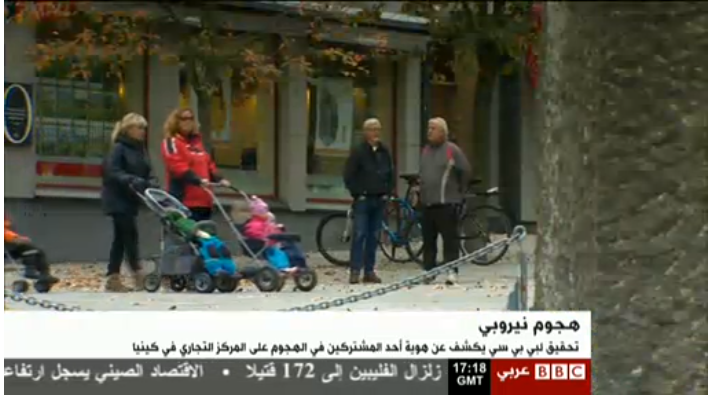
They showed these pictures of Norway on the BBC Arabic last week.
Some Norwegian apartments ...
Strollers and bikes ...
Somalis in Norway celebrating Eid under fall foliage ...
... under a vault of blue sky.
These pictures I think all come from a town called something like Larvik. They think that one of the attackers at the mall in Nairobi lived here during his childhood.
They showed these pictures of Norway on the BBC Arabic last week.
Ah, mysterious misty land!
Oh, for diamond lakes and skies!
Behold, cabins on a hill in a wild autumn with gray seas!
Strollers and bikes ...
Somalis in Norway celebrating Eid under fall foliage ...
... under a vault of blue sky.
These pictures I think all come from a town called something like Larvik. They think that one of the attackers at the mall in Nairobi lived here during his childhood.
Friday, October 11, 2013
Arabs - the happiest people on earth!
(September 2013)
How do you measure happiness? According to Columbia University, you can measure it based on opportunities to work and go to school, healthcare access, social support, and I think levels of corruption. Then, they write a report in which they rank countries based on how well they meet all these criteria.
Guess who ended up at the top of the list: Denmark, Norway, Switzerland, the Netherlands, and Sweden. Finland was number 7, and Iceland was number 9. You know that some Arabs - the ones who style themselves as The Mighty Arabs - are not going to take this lying down. (No, we're the super-duper happy ones!) But lest I be unfair, let me say from the start that you will read thoughtful responses here, too.
Adding insult to injury is that, not only are Arab countries nowhere near the top, but in fact Arab rankings have gone down over the past year, presumably because of the usual and expanding set of crises in the Arab world. So the BBC Arabic hosted a debate as to causes for Arab happiness and unhappiness, and anyone speaking Arabic could phone in or email or Facebook or tweet. The host was a presenter called Mohamed al-Saif (I might have the last name wrong.) He was asking all the questions and keeping the discussion on track. He is kind of cute, as you can decide for yourself here, but he can be a little full of himself sometimes.
First, Ahmed from Gaza called in: are you happy?
Ahmed: Well, the problems in the Gaza strip are keeping me from being happy. Even if I was happy, then when I see all the unhappy people around me, I can't really be happy anymore.
Next, we go to Riyadh from Yemen: what causes you to be happy? and do you connect your happiness with the happiness of your family, society, and country?
Riyadh: I agree with Ahmed. How can people in Yemen be happy when there's political corruption and money corruption, and all other corruption, and 10 million people live below the poverty line? I have a family with 8 people. My dad was hurt while on the job and the government did not give us any sort of health insurance or help at all.
Question: if you moved to a western society and lived on par with the average, would you be happy then?
Riyadh: Maybe. Oh my brother, if there was justice and security of law, and health insurance, and a livable salary, and if you can live a live-and-let-live life, then yes, I would be happy.
Alaa from Syria:
He had a bad phone connection, but he said that his form of happiness would be to see peace again return to his country. "My country used to be the safest country of all the Arab countries! My country had high wages, people lived comfortably, you had good education. In the last ten years, there was a Syrian renaissance!"
Emaad from Algeria:
Emaad was a philosophizer. His theories spilled out one after the other:
1. Happiness is when you know you are doing what you should be doing, and you stick to that path, even if all the world and all the world's people are against you.
2. Happiness is a result, and not assets (am I translating this right?)
3. Happiness is to not oppose what happens to you, and to know how you should respond or act.
4. Happiness is the result in which you consider yourself to be on the right path, it is an expression of your plans to reach your goals.
Emaad wanted to give us many more definitions of happiness, but Mr. Mohammed the moderator finally stopped him.
Then they talked to another Yemeni, Abdul-Rahman. I think they kept talking to the Yemenis because Yemen ended up #102 on the list of happiness.
Abdul-Rahman from Yemen: Yes, I am happy on a personal level. Why? Because out of the goals I have so far set for myself, I have reached many of them. Of course, I will quote my fellow-countryman before me who said that personal happiness is connected to the happiness in your society. But even with societal problems, an individual person still celebrates when they graduate or succeed in their courses or accomplishes something.
Question: and what kinds of things have you personally achieved?
Abdul-Rahman: My personal success began by things like moving upwards to higher specialisations in my work. I was able to escape some of the negatives in our society, like (didn't understand what), so that made me happy, too.
Here is his picture:
Then came an Egyptian. I think the moderator Mr. Mohamed must be Egyptian himself, because all of a sudden when he started talking to the Egyptian, he switched over to the annoying Egyptian accent (I told you Mohamed was slightly annoying and pompous.) And when the Egyptian started talking, darned if I understood with all his haga's. He must have said haga seventy times in two minutes. Haga means 'thing'. So I'm not sure how specific he was being about anything. And his phone connection was bad.
Edit: haha, I have newly realized that 'haga' refers to a 'necessity'.
But I think understood that he was happy because he had accomplished 30% or 40% of his goals so far, and even if that's still less than half, it really is a big deal, so that makes him happy.
Mr. Mohamed asked him: why have the Arab countries regressed in their happiness?
I think the Egyptian answered: because the economic situation is bad. Yes, no doubt, no doubt.
At this point, Mr. Mohamed the moderator started speculating out-loud:
Most of the happiness indicators in the report have to do with economics, education, health (he forgot corruption). Are those the best ways to indicate happiness in Arab countries? When it comes to Arabs, should we judge based on other ways? (basically, the moderator is straight out saying, we Arabs suck on every single level, so shouldn't we magically come up with a new set of indicators, that will make us the kings of happiness and the rest of the world in the bottom - it will have to be kings, by the way, because as you can see, there are no women participating in this conversation. This is the good old boys' club.)
Mr. Mohamed directed this question back to Abdul-Rahman from Yemen. Abdul-Rahman disagreed. He said, yes, education, economics, health are still important indicators to look at in Arab countries. These are the things on which people's happiness is based and upon whose lack, fear of the future is built.
Mr. Mohamed: So, how can Arab countries be happier, even with all these problems?
Abdul-Rahman: Help out your society. I especially call out to young Yemenis like myself. There's so many poor segments of society. However, a lot of people, when they work, only think about their own welfare, or their family's, or their place of work.
Moving on to Yusuf from Saudi Arabia:
Question: do you agree that economics, education, and health should be the key things on which the happiness report is based? I ask you because Saudi Arabia was one of the countries that fell in its happiness rankings quite embarrassingly compared to last year's report, and all this even though the Saudi economy improved during the last year.
Yusuf says: the basis of happiness is satisfaction. Okay. Thank you.
Yusuf is actually a Yemeni, but he is working in Saudi right now.
Yusuf says that in his opinion, most Saudis seem happy, but they keep on seeing all the stuff that other countries have, and they are always wanting to have it. Ah! But he wasn't talking about material stuff. He meant to say that Saudis are looking at other societies where people have all their rights, and live in dignity and freedom - those things play a big role in your happiness.
Ali from Egypt now treated us to a monologue, but it was a nice monologue:
Happiness is not reaching your goals. You can never be happy if you only think about yourself. Happiness is helping others be happy, and seeing smiles on people's faces, and in spite of daily life and economic and political crises, being able to (do something) in spite of it all. Societies are happy when they become capable of dealing with their problems. Arab societies are in need of building more peaceful relationships within society, where the value of every person is recognized and affirmed and respected, in order to have the creation of a successful society.
Followed by Hosni, also from Egypt:
I am happy because I am from the sons of Egypt! Happiness is health.
He said other words like 'peace', but I didn't understand much except: Happiness is being able to earn enough money so that you don't have to ask other people for help.
Abdul Hakeem from Libya was on the phone line.
Question: do you think what makes Arabs happy is different from what makes other people happy?
But Abdul Hakeem is not interested in answering the question. All he says is: Libya makes it possible for all other people in the world to be happy.
This made Mohammed the moderator smile in amusement:
But Abdul-Hakeem stuck to his guts. "Libya makes all happiness in the world possible because it is providing oil." That's it. End of story.
Mr. Mohamed: So you are saying that you can buy happiness?
Abdul Hakeem: Yes, of course, because well-being - food, education, health - all this is purchased.
Mr. Mohamed: So, Libya makes happiness possible for all. Is Libya happy?
Abdul-Hakeem: Again, refuses to answer the question. I'm not quite sure where Abdul-Hakeem is going with this.
Mr. Mohamed (in conclusion): So, then, you would say that Arab societies agree with European societies in saying that economic development, well-being in health and education, etc., are the things that make people happy.
Two cents from Yunus from Morocco: In reality, even if you are happy, you still have problems. No person gets everything. If you get a job and a place to live, that is getting some of your wishes, but your happiness remains relative.
The moderator Mohammed has spent the whole session so far trying to get someone to say something bad about western countries, and no one has yet satisfied him. He's getting desperate, and tries to pull something out of Yunus.
Mr. Mohamed: Do you think that in western countries, they have more material measures of happiness? Do you think that here in Arab countries, we have different standards which can give us happiness, and what are they?
Yunus (willingly takes the bait): I think that in western countries, they think happiness is money and clothes. For Arab societies, there are more problems that hurt life, like lack of employment, and the young people being unable get married because they have no money. So these are some of the different things that determine happiness in Arab countries.
I just wanted to note that I think he is incorrect about this. All the Arab countries that have money (UAE, Qatar, Kuwait) and even isolated pockets of nice neighborhoods in otherwise struggling Arab countries (certain communities in Iraq) are chock-full of malls and people going around buying, yes, clothes, perfume, and make-up. From where have they plucked and sustained the myth that Arabs care less about material things? Just as Arabs committed to simple living do exist, so are there plenty of people in the west who also live simply and don't accumulate stuff just for the sake of accumulation. I think this is supposed to be especially true in countries with very high taxes, like my darling lovely Sweden.
Mr. Mohamed: Do other things in Arab countries help out with happiness, like close family ties? One of our previous callers from Libya said if he just sees his friend, this makes him incredibly happy. So could some of these factors cover up for the fact of having low economic development and lack of education and healthcare?
Yunus: Yes! These family ties are the only things that are keeping the Arab societies together. Of course, not having money is a serious problem, but when our children get jobs, they know their parents are poor and they help out. (well, Mr. Yunus, I'm pretty sure that children everywhere do that, but okay.)
Yunus: But when the child does not see any opportunities and cannot even help his afflicted family out, this is when you get to a catastrophe.
Finally, Mr. Mohamed turned to his colleague Hazem al-Khouri, who was monitoring the comments coming in through the Internet. This is the point where I got mad, and rued the fact that I was at work, had no access to an Arabic keyboard, and it was the end of the program and I wouldn't have had time to type up a snarky response.
Here are the comments as read out by Hazem:
1. Abu Khaled says on Facebook that, if the happiness report was correct, then the suicide rate would not be getting higher in the northern European countries, whereas the Muslim countries have the lowest suicide rates. There is no happiness without conviction, and the Muslims are the people in the world with the most convictions.
2. Abdul-Halim says that he lives in Sweden, and he doesn't see a single happy family around him.
3. Someone else wrote that he didn't believe the northern European countries are the happiest, because they have long winters and long periods without sunshine, and the suicide rates always go up during this time.
Here's what I think:
1. I think some Arabs believe that Arabs are the very best people on Earth. When they see peaceful, democratic societies with little poverty and lots of dialogue and lots of care for the poor and the sick and for children, they absolutely can't stand it, and they come up with every possible excuse to say something bad.
2. I don't at all think Muslims are the people in the world with the most convictions. If we have the any convictions, it must just be that we are allowed to kill really poor people in Darfur and get away with it (see this, this, and this.)
3. It is interesting about the suicides. I wonder if when they said suicide is almost non-existent amongst Muslims if they were including all the Arab and Muslim suicide bombers.
4. I think we can all agree that murder rates in the Middle East right now are sky-high, between protests, wars, explosions, massacres and chemical gas attacks. So why is it that a high suicide rate makes you "without convictions", but a high murder rate is something easily overlooked? Just another case of the annoying type of Arab who willfully ignores all the evidence and continues to build his or her faulty case for belonging to the best people on the planet.
5. When I was in Sweden, I remember distinctly coming across a little boy out walking with his grandfather, and thinking I had never anywhere seen such happy smiles on anyone's face. If only for this, Mr. Abdul-Halim is clearly lying. Is the man blind? Is there any place in the world where every single person is unhappy? Maybe on a sinking boat in the middle of the ocean, or a village under attack by chemical gas. You, Mr. Abdul-Halim, live in a country with peace, security, schools, food, clean water, clean air, and beautiful nature, and you are trying to convince us that there are no happy people there? You are either lying or you are just a vain Arab who sees and hears only what will make you feel more vain and grand about yourself.
In other words, Mr. Hazem, you are out of favor, you and Mr. Mohamed both. Your role is to critique these people's comments, not just read them off as fact.
At least Mr. Hazem's comments had the effect of cheering up Mr. Mohamed the moderator!
Towards the end of the program, Mr. Mohamed spoke with someone named Dr. Najwa from Jordan. Wow! To be treated to the sound of a woman's voice!
However, Dr. Najwa, knowing she is the lone female on the program, compensates by being as loyally Arab as possible during her interview.
Mr. Mohamed: Do you think it's fair to apply western standards of happiness in Arab countries?
Dr. Najwa: (without pause!) Of course not!
Dr. Najwa says the first key to happiness is an internal decision. The word in Arabic for 'internal' is 'dakhili'. This is one of the most Arab words that an Arab woman can say, because it artfully implies emotions, feelings, and the soul. It is a surefire way to win Arab good-favor points.
Dr. Najwa: You should not wait for others to give you happiness, or to help you out, but you have to decide for yourself to be happy and optimistic no matter what.
Then she says: Western standards cannot be applied to us Arabs at all, because we have a different environment, a different everything. The western world looks at happiness from a material perspective. Western countries only think of money, while Arabs think of happiness in terms of faith in God and having a peaceful soul.
I suppose Dr. Najwa is basing her views on the mistreatment of foreign workers in Qatar and the Emirates, this attack on the UN, these burning churches and mosques (ah, those peaceful souls!!!!), these Muslim women being assaulted and harassed in refugee camps, torture in Syria, and these lies and attacks in Darfur. She seems to be a very astute person.
Now, to be sure, she could have based her views these peaceful Iraqi prayers, this Algerian book-fair, this girl with a scholarship, and these girls studying technology. And, these kids helping other kids, this peace festival, and this brave lady.
But how can you look at one half, and then ignore the other half? Where are these generalizations coming from? There is absolutely no proof, no evidence even, that in general Arabs have more peaceful souls and think less of money. What the heck?
Mr. Mohamed asks Dr. Najwa: If you're right about happiness being an internal decision, and if happiness is an easy matter of just focusing and forcing yourself to be happy, then why anyways are Arab societies so unhappy?
Dr. Najwa: (gets all emotional) If you only focus on negative aspects of your life, and make them bigger and let them take over, then of course you will be unhappy! But you have to decide! you have to think your way through it! if you do all those things, then of course you will be happy! Thank you for the clear roadmap, Dr. Najwa!
(Can everyone agree that this internal decision is still much easier to make when you can go to school and you have ready opportunities to rise in society and get a meaningful job and make some sort of contribution?)
Final comments from the Internet read out by Hazem Al-Khouri:
An Iraqi: in Iraq, we will be happy if we have a single day without bombs and suicide bombs.
Omar: There is no happiness in Syria
Man from Libya: I'm super happy now that I can live with my kids in Libya without the dictator.
A last thought: I am happy when I go to sleep without having listened to the news.
How do you measure happiness? According to Columbia University, you can measure it based on opportunities to work and go to school, healthcare access, social support, and I think levels of corruption. Then, they write a report in which they rank countries based on how well they meet all these criteria.
Guess who ended up at the top of the list: Denmark, Norway, Switzerland, the Netherlands, and Sweden. Finland was number 7, and Iceland was number 9. You know that some Arabs - the ones who style themselves as The Mighty Arabs - are not going to take this lying down. (No, we're the super-duper happy ones!) But lest I be unfair, let me say from the start that you will read thoughtful responses here, too.
Adding insult to injury is that, not only are Arab countries nowhere near the top, but in fact Arab rankings have gone down over the past year, presumably because of the usual and expanding set of crises in the Arab world. So the BBC Arabic hosted a debate as to causes for Arab happiness and unhappiness, and anyone speaking Arabic could phone in or email or Facebook or tweet. The host was a presenter called Mohamed al-Saif (I might have the last name wrong.) He was asking all the questions and keeping the discussion on track. He is kind of cute, as you can decide for yourself here, but he can be a little full of himself sometimes.
First, Ahmed from Gaza called in: are you happy?
Ahmed: Well, the problems in the Gaza strip are keeping me from being happy. Even if I was happy, then when I see all the unhappy people around me, I can't really be happy anymore.
Next, we go to Riyadh from Yemen: what causes you to be happy? and do you connect your happiness with the happiness of your family, society, and country?
Riyadh: I agree with Ahmed. How can people in Yemen be happy when there's political corruption and money corruption, and all other corruption, and 10 million people live below the poverty line? I have a family with 8 people. My dad was hurt while on the job and the government did not give us any sort of health insurance or help at all.
Question: if you moved to a western society and lived on par with the average, would you be happy then?
Riyadh: Maybe. Oh my brother, if there was justice and security of law, and health insurance, and a livable salary, and if you can live a live-and-let-live life, then yes, I would be happy.
Alaa from Syria:
He had a bad phone connection, but he said that his form of happiness would be to see peace again return to his country. "My country used to be the safest country of all the Arab countries! My country had high wages, people lived comfortably, you had good education. In the last ten years, there was a Syrian renaissance!"
Emaad from Algeria:
Emaad was a philosophizer. His theories spilled out one after the other:
1. Happiness is when you know you are doing what you should be doing, and you stick to that path, even if all the world and all the world's people are against you.
2. Happiness is a result, and not assets (am I translating this right?)
3. Happiness is to not oppose what happens to you, and to know how you should respond or act.
4. Happiness is the result in which you consider yourself to be on the right path, it is an expression of your plans to reach your goals.
Emaad wanted to give us many more definitions of happiness, but Mr. Mohammed the moderator finally stopped him.
Then they talked to another Yemeni, Abdul-Rahman. I think they kept talking to the Yemenis because Yemen ended up #102 on the list of happiness.
Abdul-Rahman from Yemen: Yes, I am happy on a personal level. Why? Because out of the goals I have so far set for myself, I have reached many of them. Of course, I will quote my fellow-countryman before me who said that personal happiness is connected to the happiness in your society. But even with societal problems, an individual person still celebrates when they graduate or succeed in their courses or accomplishes something.
Question: and what kinds of things have you personally achieved?
Abdul-Rahman: My personal success began by things like moving upwards to higher specialisations in my work. I was able to escape some of the negatives in our society, like (didn't understand what), so that made me happy, too.
Here is his picture:
Then came an Egyptian. I think the moderator Mr. Mohamed must be Egyptian himself, because all of a sudden when he started talking to the Egyptian, he switched over to the annoying Egyptian accent (I told you Mohamed was slightly annoying and pompous.) And when the Egyptian started talking, darned if I understood with all his haga's. He must have said haga seventy times in two minutes. Haga means 'thing'. So I'm not sure how specific he was being about anything. And his phone connection was bad.
Edit: haha, I have newly realized that 'haga' refers to a 'necessity'.
But I think understood that he was happy because he had accomplished 30% or 40% of his goals so far, and even if that's still less than half, it really is a big deal, so that makes him happy.
Mr. Mohamed asked him: why have the Arab countries regressed in their happiness?
I think the Egyptian answered: because the economic situation is bad. Yes, no doubt, no doubt.
At this point, Mr. Mohamed the moderator started speculating out-loud:
Most of the happiness indicators in the report have to do with economics, education, health (he forgot corruption). Are those the best ways to indicate happiness in Arab countries? When it comes to Arabs, should we judge based on other ways? (basically, the moderator is straight out saying, we Arabs suck on every single level, so shouldn't we magically come up with a new set of indicators, that will make us the kings of happiness and the rest of the world in the bottom - it will have to be kings, by the way, because as you can see, there are no women participating in this conversation. This is the good old boys' club.)
Mr. Mohamed directed this question back to Abdul-Rahman from Yemen. Abdul-Rahman disagreed. He said, yes, education, economics, health are still important indicators to look at in Arab countries. These are the things on which people's happiness is based and upon whose lack, fear of the future is built.
Mr. Mohamed: So, how can Arab countries be happier, even with all these problems?
Abdul-Rahman: Help out your society. I especially call out to young Yemenis like myself. There's so many poor segments of society. However, a lot of people, when they work, only think about their own welfare, or their family's, or their place of work.
Moving on to Yusuf from Saudi Arabia:
Question: do you agree that economics, education, and health should be the key things on which the happiness report is based? I ask you because Saudi Arabia was one of the countries that fell in its happiness rankings quite embarrassingly compared to last year's report, and all this even though the Saudi economy improved during the last year.
Yusuf says: the basis of happiness is satisfaction. Okay. Thank you.
Yusuf is actually a Yemeni, but he is working in Saudi right now.
Yusuf says that in his opinion, most Saudis seem happy, but they keep on seeing all the stuff that other countries have, and they are always wanting to have it. Ah! But he wasn't talking about material stuff. He meant to say that Saudis are looking at other societies where people have all their rights, and live in dignity and freedom - those things play a big role in your happiness.
Ali from Egypt now treated us to a monologue, but it was a nice monologue:
Happiness is not reaching your goals. You can never be happy if you only think about yourself. Happiness is helping others be happy, and seeing smiles on people's faces, and in spite of daily life and economic and political crises, being able to (do something) in spite of it all. Societies are happy when they become capable of dealing with their problems. Arab societies are in need of building more peaceful relationships within society, where the value of every person is recognized and affirmed and respected, in order to have the creation of a successful society.
Followed by Hosni, also from Egypt:
I am happy because I am from the sons of Egypt! Happiness is health.
He said other words like 'peace', but I didn't understand much except: Happiness is being able to earn enough money so that you don't have to ask other people for help.
Abdul Hakeem from Libya was on the phone line.
Question: do you think what makes Arabs happy is different from what makes other people happy?
But Abdul Hakeem is not interested in answering the question. All he says is: Libya makes it possible for all other people in the world to be happy.
This made Mohammed the moderator smile in amusement:
But Abdul-Hakeem stuck to his guts. "Libya makes all happiness in the world possible because it is providing oil." That's it. End of story.
Mr. Mohamed: So you are saying that you can buy happiness?
Abdul Hakeem: Yes, of course, because well-being - food, education, health - all this is purchased.
Mr. Mohamed: So, Libya makes happiness possible for all. Is Libya happy?
Abdul-Hakeem: Again, refuses to answer the question. I'm not quite sure where Abdul-Hakeem is going with this.
Mr. Mohamed (in conclusion): So, then, you would say that Arab societies agree with European societies in saying that economic development, well-being in health and education, etc., are the things that make people happy.
Two cents from Yunus from Morocco: In reality, even if you are happy, you still have problems. No person gets everything. If you get a job and a place to live, that is getting some of your wishes, but your happiness remains relative.
The moderator Mohammed has spent the whole session so far trying to get someone to say something bad about western countries, and no one has yet satisfied him. He's getting desperate, and tries to pull something out of Yunus.
Mr. Mohamed: Do you think that in western countries, they have more material measures of happiness? Do you think that here in Arab countries, we have different standards which can give us happiness, and what are they?
Yunus (willingly takes the bait): I think that in western countries, they think happiness is money and clothes. For Arab societies, there are more problems that hurt life, like lack of employment, and the young people being unable get married because they have no money. So these are some of the different things that determine happiness in Arab countries.
I just wanted to note that I think he is incorrect about this. All the Arab countries that have money (UAE, Qatar, Kuwait) and even isolated pockets of nice neighborhoods in otherwise struggling Arab countries (certain communities in Iraq) are chock-full of malls and people going around buying, yes, clothes, perfume, and make-up. From where have they plucked and sustained the myth that Arabs care less about material things? Just as Arabs committed to simple living do exist, so are there plenty of people in the west who also live simply and don't accumulate stuff just for the sake of accumulation. I think this is supposed to be especially true in countries with very high taxes, like my darling lovely Sweden.
Mr. Mohamed: Do other things in Arab countries help out with happiness, like close family ties? One of our previous callers from Libya said if he just sees his friend, this makes him incredibly happy. So could some of these factors cover up for the fact of having low economic development and lack of education and healthcare?
Yunus: Yes! These family ties are the only things that are keeping the Arab societies together. Of course, not having money is a serious problem, but when our children get jobs, they know their parents are poor and they help out. (well, Mr. Yunus, I'm pretty sure that children everywhere do that, but okay.)
Yunus: But when the child does not see any opportunities and cannot even help his afflicted family out, this is when you get to a catastrophe.
Finally, Mr. Mohamed turned to his colleague Hazem al-Khouri, who was monitoring the comments coming in through the Internet. This is the point where I got mad, and rued the fact that I was at work, had no access to an Arabic keyboard, and it was the end of the program and I wouldn't have had time to type up a snarky response.
Here are the comments as read out by Hazem:
1. Abu Khaled says on Facebook that, if the happiness report was correct, then the suicide rate would not be getting higher in the northern European countries, whereas the Muslim countries have the lowest suicide rates. There is no happiness without conviction, and the Muslims are the people in the world with the most convictions.
2. Abdul-Halim says that he lives in Sweden, and he doesn't see a single happy family around him.
3. Someone else wrote that he didn't believe the northern European countries are the happiest, because they have long winters and long periods without sunshine, and the suicide rates always go up during this time.
Here's what I think:
1. I think some Arabs believe that Arabs are the very best people on Earth. When they see peaceful, democratic societies with little poverty and lots of dialogue and lots of care for the poor and the sick and for children, they absolutely can't stand it, and they come up with every possible excuse to say something bad.
2. I don't at all think Muslims are the people in the world with the most convictions. If we have the any convictions, it must just be that we are allowed to kill really poor people in Darfur and get away with it (see this, this, and this.)
3. It is interesting about the suicides. I wonder if when they said suicide is almost non-existent amongst Muslims if they were including all the Arab and Muslim suicide bombers.
4. I think we can all agree that murder rates in the Middle East right now are sky-high, between protests, wars, explosions, massacres and chemical gas attacks. So why is it that a high suicide rate makes you "without convictions", but a high murder rate is something easily overlooked? Just another case of the annoying type of Arab who willfully ignores all the evidence and continues to build his or her faulty case for belonging to the best people on the planet.
5. When I was in Sweden, I remember distinctly coming across a little boy out walking with his grandfather, and thinking I had never anywhere seen such happy smiles on anyone's face. If only for this, Mr. Abdul-Halim is clearly lying. Is the man blind? Is there any place in the world where every single person is unhappy? Maybe on a sinking boat in the middle of the ocean, or a village under attack by chemical gas. You, Mr. Abdul-Halim, live in a country with peace, security, schools, food, clean water, clean air, and beautiful nature, and you are trying to convince us that there are no happy people there? You are either lying or you are just a vain Arab who sees and hears only what will make you feel more vain and grand about yourself.
In other words, Mr. Hazem, you are out of favor, you and Mr. Mohamed both. Your role is to critique these people's comments, not just read them off as fact.
Out-of-favor and foolish Hazem Al-Khouri
At least Mr. Hazem's comments had the effect of cheering up Mr. Mohamed the moderator!
Towards the end of the program, Mr. Mohamed spoke with someone named Dr. Najwa from Jordan. Wow! To be treated to the sound of a woman's voice!
However, Dr. Najwa, knowing she is the lone female on the program, compensates by being as loyally Arab as possible during her interview.
Mr. Mohamed: Do you think it's fair to apply western standards of happiness in Arab countries?
Dr. Najwa: (without pause!) Of course not!
Dr. Najwa says the first key to happiness is an internal decision. The word in Arabic for 'internal' is 'dakhili'. This is one of the most Arab words that an Arab woman can say, because it artfully implies emotions, feelings, and the soul. It is a surefire way to win Arab good-favor points.
Dr. Najwa: You should not wait for others to give you happiness, or to help you out, but you have to decide for yourself to be happy and optimistic no matter what.
Then she says: Western standards cannot be applied to us Arabs at all, because we have a different environment, a different everything. The western world looks at happiness from a material perspective. Western countries only think of money, while Arabs think of happiness in terms of faith in God and having a peaceful soul.
I suppose Dr. Najwa is basing her views on the mistreatment of foreign workers in Qatar and the Emirates, this attack on the UN, these burning churches and mosques (ah, those peaceful souls!!!!), these Muslim women being assaulted and harassed in refugee camps, torture in Syria, and these lies and attacks in Darfur. She seems to be a very astute person.
Now, to be sure, she could have based her views these peaceful Iraqi prayers, this Algerian book-fair, this girl with a scholarship, and these girls studying technology. And, these kids helping other kids, this peace festival, and this brave lady.
But how can you look at one half, and then ignore the other half? Where are these generalizations coming from? There is absolutely no proof, no evidence even, that in general Arabs have more peaceful souls and think less of money. What the heck?
Mr. Mohamed asks Dr. Najwa: If you're right about happiness being an internal decision, and if happiness is an easy matter of just focusing and forcing yourself to be happy, then why anyways are Arab societies so unhappy?
Dr. Najwa: (gets all emotional) If you only focus on negative aspects of your life, and make them bigger and let them take over, then of course you will be unhappy! But you have to decide! you have to think your way through it! if you do all those things, then of course you will be happy! Thank you for the clear roadmap, Dr. Najwa!
(Can everyone agree that this internal decision is still much easier to make when you can go to school and you have ready opportunities to rise in society and get a meaningful job and make some sort of contribution?)
Final comments from the Internet read out by Hazem Al-Khouri:
An Iraqi: in Iraq, we will be happy if we have a single day without bombs and suicide bombs.
Omar: There is no happiness in Syria
Man from Libya: I'm super happy now that I can live with my kids in Libya without the dictator.
A last thought: I am happy when I go to sleep without having listened to the news.
Labels:
Arabs,
BBC Arabic,
Denmark,
Egypt,
Libya,
Norway,
Special in Sweden,
Sweden,
United Nations,
Yemen,
youth
Tuesday, October 1, 2013
Norway burning trash
(September 25, 2013)
Norway was almost on the BBC Arabic news.
They were going to show a clip about how Norway burns trash to create energy. In fact, Norway imports trash from the UK and other places. Apparently, burning trash creates lots of energy, and it reduces the landfills. I guess Norway makes so little trash that its landfills are already pretty empty, so they might as well do a favor for the British, too.
I know all this not because I saw it on the BBC Arabic TV, but because it was a clip on the BBC English website.
Later that day on the BBC Arabic news, the announcer introduced the clip. He can do that because sometimes they take the English news clips and just dub the voice-over in Arabic. But then his eyes kind of glazed over - he paused - he backtracked. "Uh, we are out of time right now, I'm sure we will show you the clip later in the day." But I never did see it.
Norway was almost on the BBC Arabic news.
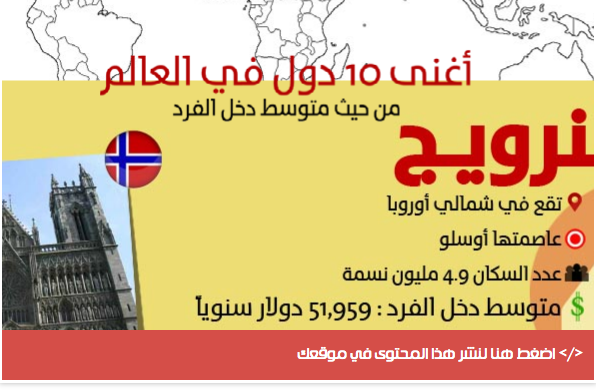
They were going to show a clip about how Norway burns trash to create energy. In fact, Norway imports trash from the UK and other places. Apparently, burning trash creates lots of energy, and it reduces the landfills. I guess Norway makes so little trash that its landfills are already pretty empty, so they might as well do a favor for the British, too.
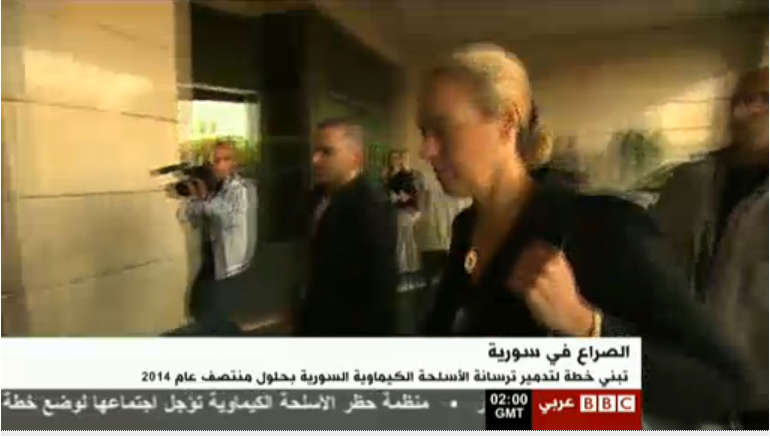
I know all this not because I saw it on the BBC Arabic TV, but because it was a clip on the BBC English website.
Later that day on the BBC Arabic news, the announcer introduced the clip. He can do that because sometimes they take the English news clips and just dub the voice-over in Arabic. But then his eyes kind of glazed over - he paused - he backtracked. "Uh, we are out of time right now, I'm sure we will show you the clip later in the day." But I never did see it.
Sunday, July 7, 2013
World Refugee Day
The week of June 25, 2013, the BBC Arabic ran a lot of stories about refugees (mostly Arab refugees), in honor of World Refugee Day. Here is what some of them said:
First, Eman in Norway called in. Eman is from Sudan, but was born and lived all her life in Libya. She says that her arrival in Norway was 'mumtaz' - that is an Arabic word meaning great, terrific, wonderful, beautiful. The only thing she doesn't like is that during the seven years you have to wait to get your Norwegian citizenship, you can leave, so she can't visit her home country.
Then, a guy in Sweden called in or wrote in an email. I didn't catch from where he was originally. He said there is no other country which takes such good care of its refugees, but for all that I won't forget my home country.
Then a guy living as a refugee in Sudan called in. He was a refugee from another Arab country. He said "I forget I'm a refugee because of everyone's great kindness," blah blah blah, must have been a fluke.
And finally, here is the crowning glory. A smart Iraqi guy was interviewed from where he lived in Hull, England. He said: yes, I want to go back to Iraq because there are more opportunities to work in Iraq than in Britain, and also because here, the taxes take up three fourths, well, half of your salary, whereas in Iraq, we are a 'tax-free country'. Right, and this is something to be proud of! The sucky countries usually are the ones with no taxes. Thank you for clarifying.
As an afterthought - a mere afterthought - he says: now all I have to do is to take consideration of the security situation.
First, Eman in Norway called in. Eman is from Sudan, but was born and lived all her life in Libya. She says that her arrival in Norway was 'mumtaz' - that is an Arabic word meaning great, terrific, wonderful, beautiful. The only thing she doesn't like is that during the seven years you have to wait to get your Norwegian citizenship, you can leave, so she can't visit her home country.
Then, a guy in Sweden called in or wrote in an email. I didn't catch from where he was originally. He said there is no other country which takes such good care of its refugees, but for all that I won't forget my home country.
Then a guy living as a refugee in Sudan called in. He was a refugee from another Arab country. He said "I forget I'm a refugee because of everyone's great kindness," blah blah blah, must have been a fluke.
And finally, here is the crowning glory. A smart Iraqi guy was interviewed from where he lived in Hull, England. He said: yes, I want to go back to Iraq because there are more opportunities to work in Iraq than in Britain, and also because here, the taxes take up three fourths, well, half of your salary, whereas in Iraq, we are a 'tax-free country'. Right, and this is something to be proud of! The sucky countries usually are the ones with no taxes. Thank you for clarifying.
As an afterthought - a mere afterthought - he says: now all I have to do is to take consideration of the security situation.
Labels:
Arabs,
BBC Arabic,
Iraq,
Norway,
refugees,
Special in Sweden,
Sudan,
Sweden
Subscribe to:
Posts (Atom)