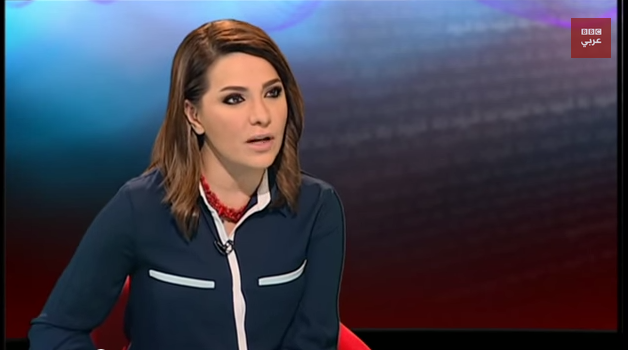
This is Margot Wallström. I think that's her name. She is the foreign minister of Sweden.
The BBC Arabic was running a report about Russia on May 31. I think they were having a conference. And they chose to include the comments of the Swedish minister with the report. How cool is that?
Showing posts with label Special in Sweden. Show all posts
Friday, June 19, 2015
Sunday, January 11, 2015
Raoul Wallenberg Institute in Jordan
The Raoul Wallenberg Institute is named after a Swedish man. That's all you need to know to know it is probably doing a good thing.
They have an office in Amman, Jordan which mostly focuses on human rights law throughout the Middle East.
What they want to do is get the judges and lawyers in each Middle Eastern country to undertake a review of all their legal code as relates to a particular branch of human rights law.
First, RWI contacts the Head of the Judicial Unit and explains what they want to do. If the Judicial Unit Head agrees (and apparently they usually do), the Head signs a Memorandum of Understanding with RWI and then they can get to work.
[I thought that was funny because I've always gotten the impression that Iraq's justice system, for example, is very corrupt. I always remember this story http://articles.latimes.com/2009/apr/23/world/fg-iraq-woman23. So I was wondering why Iraq's judiciary would ever want to sign an agreement that would require them to review human rights law. But I was told that the Iraqis involved are very hard-working and dedicated.]
The first step is to find lawyers and judges who want to be part of a Working Group. Then, those lawyers and judges pick a topic. In Morocco, they chose labor and women's rights laws. In Algeria, they chose child rights, and in Jordan the penal code. Iraq doesn't know what their focus area will be, yet. They are still deciding.
The Working Group starts to meet and to fulfill its purpose. The members have to investigate how local laws compare to international standards.
Each Working Group has a leader who stays in contact with RWI. And maybe two to three times a year, the Working Group members from the entire Arab region get together so they can talk, discuss, and compare progress and learn from each other.
Because the process is signed off by each country's judiciary, and because the work is done not by RWI but by the volunteer judges and lawyers in the Working Group, it makes for a very non-confrontational approach. Sometimes NGOs come in and say: we have the money, so do what we say. But that's not the case here. There's very little money, in fact. All the members of the Working Groups are involved without compensation, so they really have to be committed to the cause.
RWI has already been supporting these Working Groups for about three or four years in Iraq, Jordan, Morocco, and Algeria. Those countries have made more progress, are moving faster, and are more sold on the process. The newer countries (Tunisia, Palestine, Lebanon, and Libya) are still organizing themselves, and then there's the effect of outside events. For example, there's a Working Group in Libya but it's not really meeting at the moment because the security is bad. They wanted to include Egypt, but couldn't, also because of recent events.
The idea is that if the Working Groups get far enough, they will take their investigation of national versus international law and incorporate it into the judicial curriculum for current law students. In that sense, the change that they hope to see in application of the law would come to fruition years from now. But it would be good, solid, internally-motivated change.
I asked: in Lebanon, they just passed a law against domestic violence by the skin of their teeth, and there was lots of opposition to the law from people who I guess like to see husbands beating up their wives, or something. So how would Lebanon's judiciary have agreed to RWI coming in and trying to change those laws? And I was told: it's not that RWI changes laws, they just convene the Working Group under the Judicial Unit, which compares country and international law, tries to see what is different, and one day maybe the law school curriculum is changed to instill a greater sensitivity to human rights in graduating students.
Then I thought of something else: in Morocco, the Working Group is looking at women's law. But just a year ago or so, a girl was raped, was forced to marry her rapist, and then she committed suicide. So how can the Working Group deal with that? And I was told: the Working Group probably didn't choose women's law based on a particular case. The first issue they looked at was labor laws. Then they added family law. And they just look at what's the same and what's different between international and national law.
But I think that when it comes to women's law, they'll just find so many discrepancies, it'll be like, what the heck??? It's just be super depressing, right?
Some countries, like Morocco, have supremacy of international law over national law for any branch of international law for which Morocco has signed and ratified a treaty. That's kind of cool! So if a judge is aware of that and wants to apply an international standard in a situation where the local laws are not adequate, then s/he can.
In Jordan, judges have been applying or meeting international law standards in some cases.
They use an RWI booklet for guidance. This booklet was compiled by a coordinator in Algeria. It is full of cases in the Arab world were judges applied international law in their sentences and decisions. Seeing all these cases can be encouragement for other judges and prosecutors to do the same. It's not cases that happened in Europe or elsewhere, but right at home. So the judges can say: okay, there's a precedent for it and it's acceptable here in the Middle East and North Africa. They have this booklet for free in English and Arabic on the RWI website.
I think it sounds like a very decentralized process, because you have all the Working Groups, who are in contact with the office in Amman, which in turn is in contact with the office in my dear, darling Sweden. That office is always involved as well.
Last but not least, it looks like this process of an internal Working Group in which lawyers and judges investigate their own laws had not been tried by RWI in any of their other world-wide regions before. The Middle East and North Africa is the first place it's being done. That's nice and creative!
Other glimpses of Sweden in the office:
They have an office in Amman, Jordan which mostly focuses on human rights law throughout the Middle East.
What they want to do is get the judges and lawyers in each Middle Eastern country to undertake a review of all their legal code as relates to a particular branch of human rights law.
First, RWI contacts the Head of the Judicial Unit and explains what they want to do. If the Judicial Unit Head agrees (and apparently they usually do), the Head signs a Memorandum of Understanding with RWI and then they can get to work.
[I thought that was funny because I've always gotten the impression that Iraq's justice system, for example, is very corrupt. I always remember this story http://articles.latimes.com/2009/apr/23/world/fg-iraq-woman23. So I was wondering why Iraq's judiciary would ever want to sign an agreement that would require them to review human rights law. But I was told that the Iraqis involved are very hard-working and dedicated.]
The first step is to find lawyers and judges who want to be part of a Working Group. Then, those lawyers and judges pick a topic. In Morocco, they chose labor and women's rights laws. In Algeria, they chose child rights, and in Jordan the penal code. Iraq doesn't know what their focus area will be, yet. They are still deciding.
The Working Group starts to meet and to fulfill its purpose. The members have to investigate how local laws compare to international standards.
Each Working Group has a leader who stays in contact with RWI. And maybe two to three times a year, the Working Group members from the entire Arab region get together so they can talk, discuss, and compare progress and learn from each other.
Because the process is signed off by each country's judiciary, and because the work is done not by RWI but by the volunteer judges and lawyers in the Working Group, it makes for a very non-confrontational approach. Sometimes NGOs come in and say: we have the money, so do what we say. But that's not the case here. There's very little money, in fact. All the members of the Working Groups are involved without compensation, so they really have to be committed to the cause.
RWI has already been supporting these Working Groups for about three or four years in Iraq, Jordan, Morocco, and Algeria. Those countries have made more progress, are moving faster, and are more sold on the process. The newer countries (Tunisia, Palestine, Lebanon, and Libya) are still organizing themselves, and then there's the effect of outside events. For example, there's a Working Group in Libya but it's not really meeting at the moment because the security is bad. They wanted to include Egypt, but couldn't, also because of recent events.
The idea is that if the Working Groups get far enough, they will take their investigation of national versus international law and incorporate it into the judicial curriculum for current law students. In that sense, the change that they hope to see in application of the law would come to fruition years from now. But it would be good, solid, internally-motivated change.
I asked: in Lebanon, they just passed a law against domestic violence by the skin of their teeth, and there was lots of opposition to the law from people who I guess like to see husbands beating up their wives, or something. So how would Lebanon's judiciary have agreed to RWI coming in and trying to change those laws? And I was told: it's not that RWI changes laws, they just convene the Working Group under the Judicial Unit, which compares country and international law, tries to see what is different, and one day maybe the law school curriculum is changed to instill a greater sensitivity to human rights in graduating students.
Then I thought of something else: in Morocco, the Working Group is looking at women's law. But just a year ago or so, a girl was raped, was forced to marry her rapist, and then she committed suicide. So how can the Working Group deal with that? And I was told: the Working Group probably didn't choose women's law based on a particular case. The first issue they looked at was labor laws. Then they added family law. And they just look at what's the same and what's different between international and national law.
But I think that when it comes to women's law, they'll just find so many discrepancies, it'll be like, what the heck??? It's just be super depressing, right?
Some countries, like Morocco, have supremacy of international law over national law for any branch of international law for which Morocco has signed and ratified a treaty. That's kind of cool! So if a judge is aware of that and wants to apply an international standard in a situation where the local laws are not adequate, then s/he can.
In Jordan, judges have been applying or meeting international law standards in some cases.
They use an RWI booklet for guidance. This booklet was compiled by a coordinator in Algeria. It is full of cases in the Arab world were judges applied international law in their sentences and decisions. Seeing all these cases can be encouragement for other judges and prosecutors to do the same. It's not cases that happened in Europe or elsewhere, but right at home. So the judges can say: okay, there's a precedent for it and it's acceptable here in the Middle East and North Africa. They have this booklet for free in English and Arabic on the RWI website.
I think it sounds like a very decentralized process, because you have all the Working Groups, who are in contact with the office in Amman, which in turn is in contact with the office in my dear, darling Sweden. That office is always involved as well.
Last but not least, it looks like this process of an internal Working Group in which lawyers and judges investigate their own laws had not been tried by RWI in any of their other world-wide regions before. The Middle East and North Africa is the first place it's being done. That's nice and creative!
Other glimpses of Sweden in the office:
Thursday, December 25, 2014
The Swedish Embassy in Washington DC
When I went to the Swedish Embassy in 2011, all I could remember was a tiny creek beside it, so I remembered it as "Sweden on the Puddle." But then I went back in spring of this year, and I see now that I never turned around to look in the opposite direction. The embassy really is right in front of the Potomac. So they call it "Sweden on the Potomac." It is a beautiful view.
In 2011, there was a little red house, no higher than my waist, out in front of the embassy, that looked like a tiny version of Bullerbyn. But this time, the lawn was bare except for flowers.
At first, I thought we'd somehow come to the British embassy by mistake because there's an extra flag flying over the embassy and that's the first one I could see. I don't know what that's about. I thought it was the British flag, but on closer inspection, it was some other country. Sweden is always sharing.
It's a big building, full of glass, but you can enter but a tiny part if you're just a lowly citizen come to renew a passport. I was there with a friend who needed to do just that.
The entrance hall seems like one giant stateroom that takes up the entire first floor, with glass walls all the way around. It has a nice wood floor, honey-colored. Peeking in from outside through the glass walls, it seems to be almost entirely empty. You step inside, hoping to see more, but instead, everything is hidden behind the big desk blocking your path, and the security guard standing there, querying for your attention. So you don't have time to be nosy. After the guard asks about your business and does a search of your bag, you can go to the door on your left - a big, heavy, wooden door, all in the same warm honey color as the floor, with big glass panes in it. I think the entire embassy is glass and honey-colored wood.
All the passport renewal work is done past that heavy door in a reception room. When I was there, a man was holding his baby girl, dressed in overalls, in front of the counter, trying to get something sorted out. And there were two older women in a corner, seated on two black chairs. They were also trying to sort something out.
When we walked in, we were right behind a man in a suit, and another older man in a military uniform - not camouflage but those lieutenant outfits with a row of distinguished buttons and a name tag, but I didn't catch the name. So I'm not sure if the military man was Swedish or American.
The two men told the receptionist that they wanted to see Magnus. So Magnus was called down. Magnus came from somewhere else in the building and emerged into the glass corridor behind the reception room, where I would not be permitted. And then Magnus led the lucky men in suits and uniforms away and into the inner sanctum.
The receptionist was so nice. She had on a very beautiful silk yellow blouse and black jacket. And she alternated with a man dressed in a formal blue suit, and he was also so nice, and had such a nice smile.
I sat in one of the two white chairs right by the door. The man with the adorable baby girl was beside me now - he was waiting on his wife, who was soon finished. Behind us was a table with brochures. One was full of Pippi Longstocking pictures! It was advertising an exhibit. I was wondering where amongst those empty glass walls I could find the exhibit, but then I saw it was for the American-Swedish museum in Philadelphia.
When it was my friend's turn to get her photo/passport done, she just went into an alcove behind the reception. So you don't get to go anywhere special at all, even then. And there's just a curtain that separates you from everyone else. There's another nice lady back there, and she takes your photo and fingerprints.
The only further penetration I managed was by asking to use the bathroom, which I really did need to use - I wasn't making it up. You go back out the heavy door of the reception into the greater glass entrance hall. You leave an ID card with the guard at that entrance desk, who was now a woman. She writes down who you are, and then you can go down on the elevator. The elevator is in a glass shaft, so that's pretty cool to travel in. The ground floor with the entrance is on Level 2, and the bathroom is on Level 1. So you just go down one floor.
One Level 1, through the elevator glass, I could see a group of four people standing at the end of a large room, next to a table upon which was a spread of food. And there was a lovely river of rippling water - I guess more properly a fountain - that made shadows and brought light all the way along the edge of the room. Water against a dark basin.
But the elevator door opened the other way - so I couldn't see any more. I just saw the hallway with the bathrooms. At one end of the hall, black block letters were hung on the wall. They spelled out, "ALFRED NOBEL." I guess maybe that's the name they gave to the hall with the river.
The bathroom was very nice - very clean and black marble. Or maybe it was black granite.
Then I left the Embassy and sat outside it on the grass, where they have signs about protecting the Potomac from pollution and overfishing, and watched the flag soar in the breeze!
Outside the Embassy, they have a special Embassy bike parked to a bike rack!
The end.
A very nice flag flying footloose and fancy-free on a beautiful day in DC!
The mighty Potomac in front of the Embassy
In 2011, there was a little red house, no higher than my waist, out in front of the embassy, that looked like a tiny version of Bullerbyn. But this time, the lawn was bare except for flowers.
At first, I thought we'd somehow come to the British embassy by mistake because there's an extra flag flying over the embassy and that's the first one I could see. I don't know what that's about. I thought it was the British flag, but on closer inspection, it was some other country. Sweden is always sharing.
It's a big building, full of glass, but you can enter but a tiny part if you're just a lowly citizen come to renew a passport. I was there with a friend who needed to do just that.
The entrance hall seems like one giant stateroom that takes up the entire first floor, with glass walls all the way around. It has a nice wood floor, honey-colored. Peeking in from outside through the glass walls, it seems to be almost entirely empty. You step inside, hoping to see more, but instead, everything is hidden behind the big desk blocking your path, and the security guard standing there, querying for your attention. So you don't have time to be nosy. After the guard asks about your business and does a search of your bag, you can go to the door on your left - a big, heavy, wooden door, all in the same warm honey color as the floor, with big glass panes in it. I think the entire embassy is glass and honey-colored wood.
All the passport renewal work is done past that heavy door in a reception room. When I was there, a man was holding his baby girl, dressed in overalls, in front of the counter, trying to get something sorted out. And there were two older women in a corner, seated on two black chairs. They were also trying to sort something out.
When we walked in, we were right behind a man in a suit, and another older man in a military uniform - not camouflage but those lieutenant outfits with a row of distinguished buttons and a name tag, but I didn't catch the name. So I'm not sure if the military man was Swedish or American.
The two men told the receptionist that they wanted to see Magnus. So Magnus was called down. Magnus came from somewhere else in the building and emerged into the glass corridor behind the reception room, where I would not be permitted. And then Magnus led the lucky men in suits and uniforms away and into the inner sanctum.
The receptionist was so nice. She had on a very beautiful silk yellow blouse and black jacket. And she alternated with a man dressed in a formal blue suit, and he was also so nice, and had such a nice smile.
I sat in one of the two white chairs right by the door. The man with the adorable baby girl was beside me now - he was waiting on his wife, who was soon finished. Behind us was a table with brochures. One was full of Pippi Longstocking pictures! It was advertising an exhibit. I was wondering where amongst those empty glass walls I could find the exhibit, but then I saw it was for the American-Swedish museum in Philadelphia.
When it was my friend's turn to get her photo/passport done, she just went into an alcove behind the reception. So you don't get to go anywhere special at all, even then. And there's just a curtain that separates you from everyone else. There's another nice lady back there, and she takes your photo and fingerprints.
The only further penetration I managed was by asking to use the bathroom, which I really did need to use - I wasn't making it up. You go back out the heavy door of the reception into the greater glass entrance hall. You leave an ID card with the guard at that entrance desk, who was now a woman. She writes down who you are, and then you can go down on the elevator. The elevator is in a glass shaft, so that's pretty cool to travel in. The ground floor with the entrance is on Level 2, and the bathroom is on Level 1. So you just go down one floor.
One Level 1, through the elevator glass, I could see a group of four people standing at the end of a large room, next to a table upon which was a spread of food. And there was a lovely river of rippling water - I guess more properly a fountain - that made shadows and brought light all the way along the edge of the room. Water against a dark basin.
But the elevator door opened the other way - so I couldn't see any more. I just saw the hallway with the bathrooms. At one end of the hall, black block letters were hung on the wall. They spelled out, "ALFRED NOBEL." I guess maybe that's the name they gave to the hall with the river.
The bathroom was very nice - very clean and black marble. Or maybe it was black granite.
Then I left the Embassy and sat outside it on the grass, where they have signs about protecting the Potomac from pollution and overfishing, and watched the flag soar in the breeze!
Outside the Embassy, they have a special Embassy bike parked to a bike rack!
The end.
Sunday, December 14, 2014
A politician from Sweden on the Arabic News
I managed to listen to the BBC Arabic for maybe two hours total this past month, and just by luck, I caught an interview with a Swedish politician.
Her name is Abir Al-Sahlani, and she was interviewed by Malak Jaafar in mid-November:
Malak asked if there had been a conspiracy in the Center Party (to which Ms. Abir belongs) against her, or if they had been split over how to deal with her.
Abir: There's always opposition when you're a politician; and sometimes it's opposition with integrity, and sometimes it's opposition without integrity. I believe I faced opposition without integrity.
Malak: From who?
Abir: From people who did not want me to have a voice in the government, including people within the party. I think I annoy a lot of people inside the party, and in Sweden, and in the Arab world, too.
Malak: does the chief of the Center Party not really care for you?
Abir: No, I consider the head of the party to be my personal friend, and it's not entirely her decision, anyways. In a country like Sweden, in which there's been no wars for about 300 years, the political system is very structured and organized. Decision-making is not very centrally-controlled. Even lower-level party members have a say, and so do committees. So it's not necessarily the head of the party who decides all things.
Malak: So, what remains of your role in the Center Party? Have you been frozen out?
Abir: Not at all. I am on the Leadership Council for the party, on which there's only 21 members. And I'm the representative in the party for Stockholm.
Malak: But still, you gave in and didn't run for Parliament.
Abir: Well, I sometimes think: not all battles have to be mine to fight. I'm a person, and I have a certain amount of energy. I need to put that energy into battles where there's a bigger chance I might win.
Malak: And what are your battles?
Abir: Mostly equality between people. I don't like for people to look at me and think: oh, she's weak. Oh, we need to feel sorry for her. Of course, it's true that I met with tragedy as a child. My parents were politicians in Iraq. I attended political meetings while in my mother's womb, and when I was a year and a half old, I was threatened with assassination from my parents' political enemies.
[Iraq, you make me proud every time!]
Abir continues: As a 15-year-old child, I left Iraq all on my own, without family. I came to Sweden, and by the time I was 16, I had taken on the responsibility and succeeded in gathering all my family there. Otherwise, we would never have been able to live all together. But, I want people not just to focus on all this, I want to show that I'm stronger, that I am capable, that I accomplish. I want to break the idea of Middle Eastern women as a pitiful victim.
Then Malak brought up Abir's failed campaign to win a seat in the Iraqi parliament back in 2004. Abir explained: she had spent very little time on the ground in Iraq prior to that. A proper campaign would have been interacting with people and earning their trust. But she did not have a chance to do that, and she cannot expect that people are going to vote for her just because her name is on the ballot.
Then they went into a whole discussion of post-war Iraq in 2003/2004 and what went wrong, and Abir says: maybe Saudi and Iran didn't really want democracy in Iraq, and maybe Turkey and Syria, too, maybe no one wanted democracy to succeed in Iraq, and the Americans made mistakes and ...
But I'm going to skip the rest of that, and pick back up where Malak asks the question you always always have to ask someone who grew up between two different cultures:
Malak: People say that in Iraq, you have become a stranger, having lived for so long apart from the country. And in Sweden, people view you as a refugee. You talk a lot about integration. Do you feel as though wherever you go, you will not be able to properly fit in, whether in Iraq or in Sweden?
Abir: Where should I go, the moon? I am a product of Iraq. I am Iraqi. I am a product of the Middle East. That is the reality. That is our situation. I didn't come from the moon. When I see mothers who send their children to school, only for them to die there from violence, I feel for that mother, whether she is Iraqi or Somali or Tajiki. It doesn't matter. But when we are talking about democracy, this is experience, and it is not an insult to any country, or any religion, or any group of people. I think these are values that all people hold dear. And Inshallah anyone from the outside can come to Iraq and maybe fix our problems, whoever it maybe be, just let the problems get fixed.
Malak: But it's still true that people want to vote for someone who looks like them, and has the same shared experience. So was your path to politics within the Center Party of Sweden driven by just Iraqis living in Sweden who voted for you?
Abir: Not really. There's not a lot of Iraqis in the Center Party. Let me repeat, I stand for liberal values, for democracy, for humanity, and maybe voters, whether they were Swedish or Iraqi, identified with that and that's how I got voted in and that's what I represent.
Then they started talking about integration. I really really really loved what she said at this point, so much, that I would have started shouting, except for I was in the office.
Abir said: When I talk about integration of immigrants in Sweden, I don't mean it in the sense of I have to change culturally. I just mean that I should be a part of Swedish politics, a part of Swedish civil society. It doesn't have anything to do with starting to eat pork, or starting to drink, or wearing skimpy clothes, or naming your kids Karin or Ester, because those things anyways do not really define Swedish society. Swedish society is much richer than that. Swedish society is humanity. It's the equality between man and woman. It's that there's no difference between whether you're white or black or blonde or dark or red. It's that you have a right in this society, and that you can live your life in all its ways, inside of the laws.
Her name is Abir Al-Sahlani, and she was interviewed by Malak Jaafar in mid-November:
Abir Al-Sahlani
Malak is always a very tough interviewer, so she started out by asking about some corruption charges that Ms. Abir had faced in Sweden. It was a charge she had been cleared of, but it looks like it cost Ms. Abir the chance to run for office during the last election this summer.
Abir: I was cleared of the charges, but I decided not to run I knew the whole campaign would focus on this one issue, and I didn't want to deal with that.
Abir: There's always opposition when you're a politician; and sometimes it's opposition with integrity, and sometimes it's opposition without integrity. I believe I faced opposition without integrity.
Malak: From who?
Abir: From people who did not want me to have a voice in the government, including people within the party. I think I annoy a lot of people inside the party, and in Sweden, and in the Arab world, too.
Malak: does the chief of the Center Party not really care for you?
Malak's sharp eyes don't miss much
Abir: No, I consider the head of the party to be my personal friend, and it's not entirely her decision, anyways. In a country like Sweden, in which there's been no wars for about 300 years, the political system is very structured and organized. Decision-making is not very centrally-controlled. Even lower-level party members have a say, and so do committees. So it's not necessarily the head of the party who decides all things.
Malak: So, what remains of your role in the Center Party? Have you been frozen out?
Abir: Not at all. I am on the Leadership Council for the party, on which there's only 21 members. And I'm the representative in the party for Stockholm.
Malak: But still, you gave in and didn't run for Parliament.
Ms. Abir thinking about her battles
Abir: Well, I sometimes think: not all battles have to be mine to fight. I'm a person, and I have a certain amount of energy. I need to put that energy into battles where there's a bigger chance I might win.
Malak: And what are your battles?
Abir: Mostly equality between people. I don't like for people to look at me and think: oh, she's weak. Oh, we need to feel sorry for her. Of course, it's true that I met with tragedy as a child. My parents were politicians in Iraq. I attended political meetings while in my mother's womb, and when I was a year and a half old, I was threatened with assassination from my parents' political enemies.
[Iraq, you make me proud every time!]
Abir continues: As a 15-year-old child, I left Iraq all on my own, without family. I came to Sweden, and by the time I was 16, I had taken on the responsibility and succeeded in gathering all my family there. Otherwise, we would never have been able to live all together. But, I want people not just to focus on all this, I want to show that I'm stronger, that I am capable, that I accomplish. I want to break the idea of Middle Eastern women as a pitiful victim.
Then Malak brought up Abir's failed campaign to win a seat in the Iraqi parliament back in 2004. Abir explained: she had spent very little time on the ground in Iraq prior to that. A proper campaign would have been interacting with people and earning their trust. But she did not have a chance to do that, and she cannot expect that people are going to vote for her just because her name is on the ballot.
Then they went into a whole discussion of post-war Iraq in 2003/2004 and what went wrong, and Abir says: maybe Saudi and Iran didn't really want democracy in Iraq, and maybe Turkey and Syria, too, maybe no one wanted democracy to succeed in Iraq, and the Americans made mistakes and ...
But I'm going to skip the rest of that, and pick back up where Malak asks the question you always always have to ask someone who grew up between two different cultures:
Malak: People say that in Iraq, you have become a stranger, having lived for so long apart from the country. And in Sweden, people view you as a refugee. You talk a lot about integration. Do you feel as though wherever you go, you will not be able to properly fit in, whether in Iraq or in Sweden?
Abir: Where should I go, the moon? I am a product of Iraq. I am Iraqi. I am a product of the Middle East. That is the reality. That is our situation. I didn't come from the moon. When I see mothers who send their children to school, only for them to die there from violence, I feel for that mother, whether she is Iraqi or Somali or Tajiki. It doesn't matter. But when we are talking about democracy, this is experience, and it is not an insult to any country, or any religion, or any group of people. I think these are values that all people hold dear. And Inshallah anyone from the outside can come to Iraq and maybe fix our problems, whoever it maybe be, just let the problems get fixed.
Malak: But it's still true that people want to vote for someone who looks like them, and has the same shared experience. So was your path to politics within the Center Party of Sweden driven by just Iraqis living in Sweden who voted for you?
Abir: Not really. There's not a lot of Iraqis in the Center Party. Let me repeat, I stand for liberal values, for democracy, for humanity, and maybe voters, whether they were Swedish or Iraqi, identified with that and that's how I got voted in and that's what I represent.
Then they started talking about integration. I really really really loved what she said at this point, so much, that I would have started shouting, except for I was in the office.
Abir said: When I talk about integration of immigrants in Sweden, I don't mean it in the sense of I have to change culturally. I just mean that I should be a part of Swedish politics, a part of Swedish civil society. It doesn't have anything to do with starting to eat pork, or starting to drink, or wearing skimpy clothes, or naming your kids Karin or Ester, because those things anyways do not really define Swedish society. Swedish society is much richer than that. Swedish society is humanity. It's the equality between man and woman. It's that there's no difference between whether you're white or black or blonde or dark or red. It's that you have a right in this society, and that you can live your life in all its ways, inside of the laws.
Explaining all good things about Sweden!
More good things about Sweden!
And I (me, not Abir) just want to add that actually, plenty of Muslims drink alcohol; and I always dislike it when we look at the west and say, oh, look how different they are, and what weird customs they have, when the same exact stuff is happening in Arab countries. As for being blonde, I have a cousin who's blonde. There are Arabs who are blonde. Not brilliant sun-shine blonde, but soft honey blonde. And, as for names: I also have a cousin named Cinderella (no joke). And I knew a Muslim Syrian girl here in the US who was named Suzanne. And I met a Muslim girl in Jordan who was named Sally. They both wore hijabs and were very proud Arabs. So even the names don't really mean much anymore.
I met a Swedish girl in Jordan who was called Karin, and she was so nice, and so sweet, and so open to inviting people over to her place. And she was doing tons of activities with kids. Why shouldn't an Arab or a Muslim called their daughter Karin after the Karin I met in Jordan?
Back to the interview. I think Malak's next question was something like: you are a Muslim woman, and the Swedish Center Party was just using you as a face to prove that they were welcoming of immigrants, but otherwise, they don't really get any use out of you.
Abir said: no, I don't let anyone to use me in any way. I act for myself. I have Swedish voters who vote for me. In the 2009 elections for the European Parliament I received over 7000 votes just for me, Abir, not for the Center Party. Of course, I am Iraqi, and Arab, and Muslim, and all of that; I am not ashamed of being an immigrant. But first and foremost, I am Abir.
Malak: Tell me about the second generation Muslims growing up in Europe and who are going to fight with Da-esh (or ISIS) in Iraq and Syria.
Abir: I think those kids are lacking in identity, both inside society and inside their families. I think that a lot of those kids probably have had to take on the roles of parenting their parents. By leaving Europe, these kids gave up democracy, freedom, and respect. I think a lot of them were searching for an identity, and they went to mosques to find this identity, and some of those mosques likely have extremist views.
Malak: You know, a lot of those kids don't even think that their home countries in Europe are democratic or free.
Abir: Sure, when I talk about integration, I don't just talk about what immigrants have to do, but I also ask for governments and countries to open up space and room for these immigrants. People have to realize that tax-paying and law-abiding people are not just white. In fact, tax-paying and law-abiding people might look just like me. Or it might be a lady wearing a hijab or a man with a beard wearing a dishdasha. All of those people might follow the law, too. Most of us are like that.
Back to the interview. I think Malak's next question was something like: you are a Muslim woman, and the Swedish Center Party was just using you as a face to prove that they were welcoming of immigrants, but otherwise, they don't really get any use out of you.
Malak and her piercing eyes
Abir said: no, I don't let anyone to use me in any way. I act for myself. I have Swedish voters who vote for me. In the 2009 elections for the European Parliament I received over 7000 votes just for me, Abir, not for the Center Party. Of course, I am Iraqi, and Arab, and Muslim, and all of that; I am not ashamed of being an immigrant. But first and foremost, I am Abir.
Malak: Tell me about the second generation Muslims growing up in Europe and who are going to fight with Da-esh (or ISIS) in Iraq and Syria.
Abir: I think those kids are lacking in identity, both inside society and inside their families. I think that a lot of those kids probably have had to take on the roles of parenting their parents. By leaving Europe, these kids gave up democracy, freedom, and respect. I think a lot of them were searching for an identity, and they went to mosques to find this identity, and some of those mosques likely have extremist views.
Malak: You know, a lot of those kids don't even think that their home countries in Europe are democratic or free.
Abir: Sure, when I talk about integration, I don't just talk about what immigrants have to do, but I also ask for governments and countries to open up space and room for these immigrants. People have to realize that tax-paying and law-abiding people are not just white. In fact, tax-paying and law-abiding people might look just like me. Or it might be a lady wearing a hijab or a man with a beard wearing a dishdasha. All of those people might follow the law, too. Most of us are like that.
Abir lays out her points
Malak: On to a new topic. In western countries, there's a very bad image of Islam these days. Why can't people like you, who are in politics and have a voice, try to change this picture?
Abir: Really, I have tried to promote dialogue about Islam. We are lacking this. Everyone has their own opinion and has an opinion, and is quick to accuse others of things. I asked the Islamic leaders in Sweden to clarify their positions regarding Da-esh, or ISIS, in Syria and Iraq. They're the leaders, so why not give their clear positions. I experienced a very negative response. They said: why do we Muslims always have to clarify our positions every time something happens? So I think there's two issues. One is, we Muslims always find ourselves accused of things, and that is hard to deal with. Secondly, I don't think they have a good idea of what it means to be a leader. If you are a leader, then you have a responsibility. I gave them an example. I told them that as immigrants, you want all the political parties in Sweden to say that we are not going to be against immigrants. You want them all to be very clear about what their position is. This principle applies just the same way to you. You are leaders, so you have to state your positions.
Another thing: Muslims in the west always feel accused and oppressed. Why? How can we solve that problem? I said: why can't we Muslims in Sweden decide on a Swedish Islam? Could we decide what is right and what would work best for us? I didn't suggest that we should become very different. But I was told: no, we can't do this. But why? To me, this is crucial.
Malak: Do you think that there should be a British Islam and French Islam and a Swedish Islam?
Abir: I don't mean that precisely. I just mean that we should have more than just a single school of Islam, which right now is the Wahabi school setting the standards. We should have a dialogue about these things.
Malak: In Swedish mosques, do you sense that there are certain people bankrolling the building and running of the mosques, and that the views of those people end up being promoted.
Abir: I can tell you one thing at least: I used to go to Friday prayers in the biggest mosque in Sweden. They would always say: pray for the martyrs in Gaza. But when it comes to Iraq, they never said pray for the martyrs in Iraq. They would just say: Iraqis are killing each other. Why in Gaza are they martyrs, and why in Iraq are they not?
Malak: And what do you think the reason for that is?
Abir: Sectarianism. (By which I think she means the big Shia-Sunni fight.)
And thus ended a Swedish politician's turn on the BBC Arabic. How exciting! You can watch the full interview by clicking here (it will take you to the video on the BBC Arabic's YouTube page.)
Abir: I can tell you one thing at least: I used to go to Friday prayers in the biggest mosque in Sweden. They would always say: pray for the martyrs in Gaza. But when it comes to Iraq, they never said pray for the martyrs in Iraq. They would just say: Iraqis are killing each other. Why in Gaza are they martyrs, and why in Iraq are they not?
Malak: And what do you think the reason for that is?
Abir: Sectarianism. (By which I think she means the big Shia-Sunni fight.)
And thus ended a Swedish politician's turn on the BBC Arabic. How exciting! You can watch the full interview by clicking here (it will take you to the video on the BBC Arabic's YouTube page.)
Sunday, October 19, 2014
Nobel prizes on Arabic news
This nice, venerable, old Swedish man was on the BBC Arabic because he was announcing the Nobel prize in economics.
This year, it went to a French man.
And here is this nice, venerable Swedish room pictured on the BBC Arabic from the same day. Just think, all those dead people watching impressively from their thick-rimmed portraits probably never thought that one day they might be beamed on the Arabic news.
This year, it went to a French man.
And here is this nice, venerable Swedish room pictured on the BBC Arabic from the same day. Just think, all those dead people watching impressively from their thick-rimmed portraits probably never thought that one day they might be beamed on the Arabic news.
Sunday, September 14, 2014
Elections in Sweden on the Arabic news
There I was, immersed in my schoolwork, too busy to even be listening to the BBC Arabic!
As a precaution, though, I had it open in front of me, on mute, just in case anything interesting flashed on the screen. By and by, I saw a lot of light-haired people, was moved to read the caption, and lo and behold: the BBC Arabic was reporting on the elections in Sweden today!
I didn't end up listening to it as I was too busy, but I took screenshots of the Swedish people voting:
Saturday, September 13, 2014
Sweden on the BBC Arabic
Apparently, there's a famous game called Minecraft, and it was made by a Swedish man!!!!!
Well, unfortunately, he is selling his masterpiece.
And this was mentioned on the BBC Arabic =)
Well, unfortunately, he is selling his masterpiece.
And this was mentioned on the BBC Arabic =)
Sunday, September 7, 2014
Movie from Italy to Sweden
I am back in the Arabic news business! (I hope!)
On September 5, the BBC Arabic had a little report on a movie made that followed five undocumented Syrian refugees. They had fled Syria to arrive in Lampedusa, Italy. But of course, it sucked there, so the movie was about them making their way to my darling Sweden.
My Arabic apparently sucks as much as Italy, so I don't actually know what was going on, but there was something about a wedding. So they kept showing shots of the dancing wedding-goers. Ho ho ho, Arabs are so jolly!!!
On September 5, the BBC Arabic had a little report on a movie made that followed five undocumented Syrian refugees. They had fled Syria to arrive in Lampedusa, Italy. But of course, it sucked there, so the movie was about them making their way to my darling Sweden.
My Arabic apparently sucks as much as Italy, so I don't actually know what was going on, but there was something about a wedding. So they kept showing shots of the dancing wedding-goers. Ho ho ho, Arabs are so jolly!!!
A jolly Arab.
Thoughtful Arabs
This map is the map showing the flight of the refugees from Italy to my own beautiful Sweden.
Arabs in hiding
Monday, July 21, 2014
Taxi drivers in Jordan talk about Sweden
One time I told a taxi driver in Jordan that I was from Sweden. He said: hej hej hej hej hej hej hej!
Yesterday, the taxi driver said: I went to Sweden once. The people were so nice, I really liked it!
Today's taxi driver asked if I drive in Sweden. I don't even live in Sweden, so of course the answer is no, but I cobbled together a whole recitation: no, I don't drive! I mostly ride a bike or take the buses or trains! In Sweden, they have just as many special roads for bikes as they do for cars! It's great exercise, and it reduces traffic snarls, and it's good for the environment! And, it means there's less health problems linked to air pollution!
I said all this while we were driving through Amman, where there is not a bike lane to be seen. So I felt kind of bad for the driver.
Then he said, you speak Arabic "very well, very well," which I was really happy about. I asked him how well he spoke English. He said, just a little! I said: I also can't speak Arabic very well when I get really nervous or angry. He said: hahaha, of course, when you're angry and you're just about ready to explode, of course you can't concentrate on speaking in your second-best language.
Or, he added, when you're hungry! Then we both laughed again.
Then he said: is there Ramadan in Sweden? I said, yes, of course!
Then he kept taking us onto the street parallel to the main street, so that we would escape from the super-snarled traffic. He kept preceding these forays by saying: now, I don't want you to get scared. Please be at your ease! So I told him that I trusted him and it was okay, and he said, good, good! I want you to be relaxed.
Then I told him that in Swedish, the word for bike is cykel. I thought he'd like that, because in Arabic, we say 'bicycle' (pronounced with an Arabic twist, of course.)
Finally, when I was getting ready to get off, he said: thank you so much for riding with me and thank you for the wonderful conversation, and now you can go back and remember me, I'm Abu Mahmoud. I said I would definitely remember, and thank you for the nice ride and for everything.
Yesterday, the taxi driver said: I went to Sweden once. The people were so nice, I really liked it!
Today's taxi driver asked if I drive in Sweden. I don't even live in Sweden, so of course the answer is no, but I cobbled together a whole recitation: no, I don't drive! I mostly ride a bike or take the buses or trains! In Sweden, they have just as many special roads for bikes as they do for cars! It's great exercise, and it reduces traffic snarls, and it's good for the environment! And, it means there's less health problems linked to air pollution!
I said all this while we were driving through Amman, where there is not a bike lane to be seen. So I felt kind of bad for the driver.
Then he said, you speak Arabic "very well, very well," which I was really happy about. I asked him how well he spoke English. He said, just a little! I said: I also can't speak Arabic very well when I get really nervous or angry. He said: hahaha, of course, when you're angry and you're just about ready to explode, of course you can't concentrate on speaking in your second-best language.
Or, he added, when you're hungry! Then we both laughed again.
Then he said: is there Ramadan in Sweden? I said, yes, of course!
Then he kept taking us onto the street parallel to the main street, so that we would escape from the super-snarled traffic. He kept preceding these forays by saying: now, I don't want you to get scared. Please be at your ease! So I told him that I trusted him and it was okay, and he said, good, good! I want you to be relaxed.
Then I told him that in Swedish, the word for bike is cykel. I thought he'd like that, because in Arabic, we say 'bicycle' (pronounced with an Arabic twist, of course.)
Finally, when I was getting ready to get off, he said: thank you so much for riding with me and thank you for the wonderful conversation, and now you can go back and remember me, I'm Abu Mahmoud. I said I would definitely remember, and thank you for the nice ride and for everything.
Wednesday, July 2, 2014
Favorite Arabic World Cup Commentator
Yesterday, I watched the USA-Belgium soccer game. I CANNOT BELIEVE WE LOST.
You should know that the Arabic commentator was really very unbiased. He didn't sit around and say, "I hope the USA loses and gets pay-back" and blah blah blah. No, he was excited about good plays Belgium made, and excited about good plays the US made, and he was really excited when the US made a goal at the end, and kept saying, "now the US is searching for the equalizing goal!!!" and he practically made a saint of the US goalkeeper!
I didn't watch the Argentina-Switzerland match earlier, because I was at the apartment of a Swedish girl here in Amman !!!!! You can imagine that made me happy. But the referee at the Argentina-Switzerland match was also Swedish, so I wish I could have seen it. As I took the taxi to the Swedish girl's apartment, I heard the match on the radio. I was only in the taxi for about 10 minutes, and I heard the commentator mention the Swedish referee at least 3 times! He seemed to really like his name! He kept on saying Jooooooooohan Erikson. It was great.
My cousin and I are agreed that the Argetina-Switzerland commentator is the most fun of all the many Arabic commentators we have heard. He always commentates for the big matches, and when he gets really excited he starts spewing poetry cobbled together from the players' names. Yesterday, he kept informating the Arabic audience that Argentina and Switzerland were playing in a stadium named after a chapter in the Gospels, and that the city, Sao Paolo, is very religious.
Then he said, "Switzerland! the land of peace!" I wish I could hear what he'd say if Sweden was playing!
Then, towards the end of the match, when they were in overtime, he said: Switzerland looks tired. Switzerland is famous for its cheese and chocolate. I suspect that the cheese and chocolate is all going to melt in this hot sun.
You should know that the Arabic commentator was really very unbiased. He didn't sit around and say, "I hope the USA loses and gets pay-back" and blah blah blah. No, he was excited about good plays Belgium made, and excited about good plays the US made, and he was really excited when the US made a goal at the end, and kept saying, "now the US is searching for the equalizing goal!!!" and he practically made a saint of the US goalkeeper!
I didn't watch the Argentina-Switzerland match earlier, because I was at the apartment of a Swedish girl here in Amman !!!!! You can imagine that made me happy. But the referee at the Argentina-Switzerland match was also Swedish, so I wish I could have seen it. As I took the taxi to the Swedish girl's apartment, I heard the match on the radio. I was only in the taxi for about 10 minutes, and I heard the commentator mention the Swedish referee at least 3 times! He seemed to really like his name! He kept on saying Jooooooooohan Erikson. It was great.
My cousin and I are agreed that the Argetina-Switzerland commentator is the most fun of all the many Arabic commentators we have heard. He always commentates for the big matches, and when he gets really excited he starts spewing poetry cobbled together from the players' names. Yesterday, he kept informating the Arabic audience that Argentina and Switzerland were playing in a stadium named after a chapter in the Gospels, and that the city, Sao Paolo, is very religious.
Then he said, "Switzerland! the land of peace!" I wish I could hear what he'd say if Sweden was playing!
Then, towards the end of the match, when they were in overtime, he said: Switzerland looks tired. Switzerland is famous for its cheese and chocolate. I suspect that the cheese and chocolate is all going to melt in this hot sun.
Friday, June 20, 2014
More Sweden in Jordan
For Midsummer's day...
I went to a conference at the Dead Sea, and there was a man from the Swedish Embassy there. I was so happy.
We were making a video about the conference, and so of course, I asked the Swedish man if he wanted to be on the video. He said yes! His part in the video was so nice, especially when he smiled and said 'marhaba' and 'shukren'.
A Jordanian man at the conference mentioned how Sweden helps Jordan all the time. So of course I asked him to be part of the video, too. He talked about environmental projects he is part of, and he wrapped up his bit by repeating on camera all the nice things he'd said about Sweden. It was so nice.
The conference ended. Just my luck, after we spent a week or two editing the footage and making a polished film, or as polished as you get with mobile phones and iMovie, our higher-ups decided to cancel all our efforts. They were afraid our film would generate negative publicity, because the conference had hosted Palestinians, Israelis, and Jordanians. This makes some people very angry. Even though the conference attendees are not working together for an evil purpose, and no one is trying to be traitor to their homeland, still some people got mad.
The theme of the conference was how to live in a region of the world where water is scarce. The conference had lots of workshops where Palestinians, Jordanians, and Israelis were trying to teach each other and learn from each other how to protect water resources.
But because some people got mad, the film was canceled. So no one gets to see the man from the Swedish embassy, nor does anyone get to see the Jordanian man who said nice things about Sweden.
So I thought, okay, I'll write a reflection on the conference. That way I could mention the Swedish Embassy man. And I even mentioned the environmental projects of the Jordanian man, and I wrote all about a Palestinian mayor who has done neat things with rainwater harvesting barrels, home composting, helping farmers use cleaner and cheaper fertilizers, and raising awareness with schools.
I wrote it and now they told me: ah, that's too bad, the conference is now so long ago that we can't post any reflection about it anymore.
Every time I try to do or write anything nice about Sweden, it is always cut down, and if it isn't, no one watches anyways. I don't even know why I bother.
Then, a lady at the office told me to proofread a 60 page long article. I thought, okay, for sure this will be useful and won't be a waste of time. I sat for several hours proof-reading, and got halfway done. Then I noticed the lady was leaving the office. She didn't even come to talk to me! I had to flag her down and ask what to do, because she's said she wanted the editing done that day. She said: fine, finish over the weekend and then send me an email with all the edits.
First of all, how are you supposed to send edits by email for a hard-copy article? How the heck is she supposed to know what the context of the edits are? Besides which, the internet was out at home. So she finally took the half-finished edited article home with her. Otherwise, I suppose all my editing would have been for naught. I wouldn't be surprised if she tosses my edits in the back of her car and forgets about them anyways.
Enough complaining, here's more about Sweden in Jordan:
There is a Palestinian-Jordan man at the office who lived 25 years in Finland and whose kids learned Swedish in school. He still speaks Finnish. I liked that!
The other day, my taxi driver gave me a big, happy smile with crinkly eyes when I said I'm from Sweden, and he said: Sweden is a Heaven, no? He used a word that means Heaven and beautiful all at once.
One time, I actually had a Swedish speaking taxi driver. Well, he just knew "hur mår du?" "måndag," "tisdag," etc, and I think he knew "vad heter du?" You can imagine my shock. He was a Jordanian man who had lived with a Swedish lady in Greece for a couple of years. They spoke English together, but he'd used to hear her talking on the phone to her parents and friends. So now you know: do not impersonate countries that you actually have no clue of, because you never know when the taxi driver will find you out.
I went to a conference at the Dead Sea, and there was a man from the Swedish Embassy there. I was so happy.
We were making a video about the conference, and so of course, I asked the Swedish man if he wanted to be on the video. He said yes! His part in the video was so nice, especially when he smiled and said 'marhaba' and 'shukren'.
A Jordanian man at the conference mentioned how Sweden helps Jordan all the time. So of course I asked him to be part of the video, too. He talked about environmental projects he is part of, and he wrapped up his bit by repeating on camera all the nice things he'd said about Sweden. It was so nice.
The conference ended. Just my luck, after we spent a week or two editing the footage and making a polished film, or as polished as you get with mobile phones and iMovie, our higher-ups decided to cancel all our efforts. They were afraid our film would generate negative publicity, because the conference had hosted Palestinians, Israelis, and Jordanians. This makes some people very angry. Even though the conference attendees are not working together for an evil purpose, and no one is trying to be traitor to their homeland, still some people got mad.
The theme of the conference was how to live in a region of the world where water is scarce. The conference had lots of workshops where Palestinians, Jordanians, and Israelis were trying to teach each other and learn from each other how to protect water resources.
But because some people got mad, the film was canceled. So no one gets to see the man from the Swedish embassy, nor does anyone get to see the Jordanian man who said nice things about Sweden.
So I thought, okay, I'll write a reflection on the conference. That way I could mention the Swedish Embassy man. And I even mentioned the environmental projects of the Jordanian man, and I wrote all about a Palestinian mayor who has done neat things with rainwater harvesting barrels, home composting, helping farmers use cleaner and cheaper fertilizers, and raising awareness with schools.
I wrote it and now they told me: ah, that's too bad, the conference is now so long ago that we can't post any reflection about it anymore.
Every time I try to do or write anything nice about Sweden, it is always cut down, and if it isn't, no one watches anyways. I don't even know why I bother.
Then, a lady at the office told me to proofread a 60 page long article. I thought, okay, for sure this will be useful and won't be a waste of time. I sat for several hours proof-reading, and got halfway done. Then I noticed the lady was leaving the office. She didn't even come to talk to me! I had to flag her down and ask what to do, because she's said she wanted the editing done that day. She said: fine, finish over the weekend and then send me an email with all the edits.
First of all, how are you supposed to send edits by email for a hard-copy article? How the heck is she supposed to know what the context of the edits are? Besides which, the internet was out at home. So she finally took the half-finished edited article home with her. Otherwise, I suppose all my editing would have been for naught. I wouldn't be surprised if she tosses my edits in the back of her car and forgets about them anyways.
Enough complaining, here's more about Sweden in Jordan:
There is a Palestinian-Jordan man at the office who lived 25 years in Finland and whose kids learned Swedish in school. He still speaks Finnish. I liked that!
The other day, my taxi driver gave me a big, happy smile with crinkly eyes when I said I'm from Sweden, and he said: Sweden is a Heaven, no? He used a word that means Heaven and beautiful all at once.
One time, I actually had a Swedish speaking taxi driver. Well, he just knew "hur mår du?" "måndag," "tisdag," etc, and I think he knew "vad heter du?" You can imagine my shock. He was a Jordanian man who had lived with a Swedish lady in Greece for a couple of years. They spoke English together, but he'd used to hear her talking on the phone to her parents and friends. So now you know: do not impersonate countries that you actually have no clue of, because you never know when the taxi driver will find you out.
Friday, June 13, 2014
Sweden as the top story
One morning last week, Sweden was the first word on the lead article on the BBC's English page:
And among the top stories on the BBC Arabic television, though I did not have a chance to watch that in depth:
These are pictures of a sunlight, spacious white house in Sweden.
In the meantime, it was later in the day that Mosul fell. Fida Bassil did a program on it, which I wanted to hear, but my computer starting acting feverish, and I had to give it up.
And among the top stories on the BBC Arabic television, though I did not have a chance to watch that in depth:
These are pictures of a sunlight, spacious white house in Sweden.
In the meantime, it was later in the day that Mosul fell. Fida Bassil did a program on it, which I wanted to hear, but my computer starting acting feverish, and I had to give it up.
Friday, May 30, 2014
Sweden and the EcoPark
Someone here in Jordan told me: Swedish people are so nice. And they are so intelligent. Everyone there speaks two or three languages.
Then another time we weren't even talking about Sweden. We were talking about Iran. She said: Iranian women are so beautiful, and it's just really unfair for the rest of us. Iranians and Swedes! They are all so beautiful! What about the rest of us?
Today I met a man who sells postcards in Jerash. Jerash is a city in Jordan full of Roman ruins! At first, the man was just advertising all his inflated prices. Then he asked where I was from, so I defaulted to Sweden. So he said, oh, from Europe? Oh-ho! Oh, my big boss here, he is Swedish. He lives here in Jordan. Now, after you're done looking at the ruins come back here and I will sell you everything at the best prices.
Did you know that you will find people here who rave about the comfort of the shoes produced by the Swedish company Ecco?
Last week, I went to a conference on protecting groundwater here along the Jordan River, and a man from Sweden's embassy in Jordan was there! It was so wonderful!
The only other embassy representative came from the Spanish embassy - and that was because a big Spanish delegation from Malaga was at the conference. Sweden was the only embassy that attended just for the sake of showing support.
There were lots of people at the conference, and one of them - a Jordanian - started talking of his own free will about how wonderful Sweden is, and how much support Sweden gives to different environmental projects around the Middle East. I didn't prompt him, he just started talking himself!
A Palestinian mayor at the conference said: ah, just a few weeks ago, a whole group of Swedish and Norwegian kids of Palestinian descent visited my town, and did activities with the kids.
Then we took a bus to an EcoPark in Jordan. The EcoPark has signs from Sweden's aid agency (SIDA) everywhere, because they helped to provide the money for the EcoPark. The EcoPark is like a wildlife refuge. They protect the land and the streams and water sources around it, they have swings and a zipline strung from trees, and the first recycling bins for aluminum and plastic bottles which I've seen in Jordan. Also, they have excellent food. They have wetlands sustained from recycled greywater (the water coming from sinks and showers) and schoolkids come from all over Jordan to learn about smart water management.
And, Sweden's SIDA symbol is all over this park!!!
But, the SIDA symbol doesn't say 'Sweden' anywhere on it. Maybe none of the visitors know that SIDA has anything to do with Sweden. Maybe Sweden's is the only aid agency in the world that doesn't loudly splash about what country is behind the effort. They are probably the only ones who don't want to shove their name down everyone's throat.
Wednesday, May 21, 2014
More Sweden in Jordan's taxis
Yesterday's taxi wondered if there was no work in Sweden, because why else would anyone leave Sweden and come to Jordan.
I said, there's lots of work in Sweden, and lots to study and lots of opportunity! But, Swedish people really like to learn about different cultures, like to meet lots of people, and like to be of assistance whenever they can. I wanted to do the same thing, and that's why I'm here. I'm going to say lots and lots more nice things as soon as my Arabic becomes more eloquent.
Today's taxi, when he found out I was from Sweden, couldn't stop saying, "welcome! welcome! welcome!" He was so excited that he switched to English, and then he said, "any time, you are welcome here!"
I said, there's lots of work in Sweden, and lots to study and lots of opportunity! But, Swedish people really like to learn about different cultures, like to meet lots of people, and like to be of assistance whenever they can. I wanted to do the same thing, and that's why I'm here. I'm going to say lots and lots more nice things as soon as my Arabic becomes more eloquent.
Today's taxi, when he found out I was from Sweden, couldn't stop saying, "welcome! welcome! welcome!" He was so excited that he switched to English, and then he said, "any time, you are welcome here!"
Sunday, May 18, 2014
Ikea in Jordan
An Ikea opened along the road to the airport just two months ago, or even less.
It's an Ikea just like any other Ikea. There were lots of kids walking around with long, twisty balloons and things painted on their faces. Some of them had 'Ikea' written in blue on a yellow background, and others had pink and white butterfly wings all along their cheeks. There was as always the Smålands play area with a red, white-dotted mushroom.
It was pretty busy, though I'm pretty sure the prices are out of reach for most Jordanians. There were sofas for over 1000 dinars, and cabinets for 100 dinars, and the best deal I saw was a pretty, round little table with glass panes on a black frame for 55 dinars.
There was the restaurant as usual on the second floor. It sold meatballs and mashed potatoes with mushroom gravy, and fish and vegetables, and French fries; and it also had haloum sandwiches, and something called muhalabiya, which I think is a milk and almond pudding dish, and for deserts they have kanafas. I think I had a kanafa once and was sick, so I don't think that is an improvement.
I think the Swedish meatballs with the mashed potatoes was around 5 dinars. That's about $7. But someone told me that the average salary in Jordan is between 300 and 400 dinars, so of course you would not go out to eat at a place where you have to pay 5 dinars per person.
They had organic orange or strawberry or mango juice for 1.5 dinars (maybe $2), but the mango was kind of sour-tasting.
There was a smoking and non-smoking section in the restaurant, and beautiful big windows that looked out on the sunset and on the Ikea flags and on the hills surrounding Amman. And the same regular signs about 'please return your dishes to the counters so we can keep our prices low.'
The best part was the little grocery store by the cashiers. It sold Daim! You could get a single stick for 0.55 dinars, and the sticks with the double pieces for 0.90 dinars, and finally, you could also get a cinnamon bun for 0.75 dinars (1.50 dinars with coffee) but they were out. There was ice cream for something like 0.66 dinars.
As for the music they were playing: it was all piano music. At one point, it was Disney songs redone in piano: Beauty and the Beast, Lion King, and Colors of the Wind from Pocahontas.
It's an Ikea just like any other Ikea. There were lots of kids walking around with long, twisty balloons and things painted on their faces. Some of them had 'Ikea' written in blue on a yellow background, and others had pink and white butterfly wings all along their cheeks. There was as always the Smålands play area with a red, white-dotted mushroom.
It was pretty busy, though I'm pretty sure the prices are out of reach for most Jordanians. There were sofas for over 1000 dinars, and cabinets for 100 dinars, and the best deal I saw was a pretty, round little table with glass panes on a black frame for 55 dinars.
There was the restaurant as usual on the second floor. It sold meatballs and mashed potatoes with mushroom gravy, and fish and vegetables, and French fries; and it also had haloum sandwiches, and something called muhalabiya, which I think is a milk and almond pudding dish, and for deserts they have kanafas. I think I had a kanafa once and was sick, so I don't think that is an improvement.
I think the Swedish meatballs with the mashed potatoes was around 5 dinars. That's about $7. But someone told me that the average salary in Jordan is between 300 and 400 dinars, so of course you would not go out to eat at a place where you have to pay 5 dinars per person.
They had organic orange or strawberry or mango juice for 1.5 dinars (maybe $2), but the mango was kind of sour-tasting.
There was a smoking and non-smoking section in the restaurant, and beautiful big windows that looked out on the sunset and on the Ikea flags and on the hills surrounding Amman. And the same regular signs about 'please return your dishes to the counters so we can keep our prices low.'
The best part was the little grocery store by the cashiers. It sold Daim! You could get a single stick for 0.55 dinars, and the sticks with the double pieces for 0.90 dinars, and finally, you could also get a cinnamon bun for 0.75 dinars (1.50 dinars with coffee) but they were out. There was ice cream for something like 0.66 dinars.
As for the music they were playing: it was all piano music. At one point, it was Disney songs redone in piano: Beauty and the Beast, Lion King, and Colors of the Wind from Pocahontas.
Wednesday, May 14, 2014
Taxis, Sweden, and radios in Jordan
Yesterday, I took a taxi. The driver asked at first, "are you Pakistani?" I thought I'd go with that, said yes, and the driver said, "ahlen we sehlen!" Welcome!
Then I don't remember what he said, but eventually I had to tell him that I live in Sweden. I am supposed to tell all the taxi drivers that I am Swedish rather than American, just in case - not because anyone would do anything, but some might start ranting. So then he said again, "ahlen we sehlen!" Welcome!
Today's taxi driver had the news on for a while. It was like a call-in show. The host was the same man with the nice, calm voice who I've heard before. The caller was a man who from his tone was clearly talking about something deplorable, but the only word I caught was "niqaba." I didn't know what that meant and had to ask someone later. It means "workers union". So apparently they are trying to unionize here. That's nice! I thought that all such discussions about any discontent would be forbidden on the radios here.
Then we drove under a bridge and there was a big yellow sign that stretched across it: "No to laws that limit the freedom of journalists." It was an official-looking sign, too. It was not a flimsy banner someone had strung up on the sly, but an approved advertisement neatly fastened to the bridge.
The taxi driver asked me where I was from, and I said Sweden; he was very happy about that! "I see your soccer/football teams," and "you all are the Vikings, right? I see your mascots with the horns, haha!" and "your capital is Stockholm, right? Ah, Stockholm! I would like to travel there." So finally I had to say, "you sound like you like Sweden a lot!" and he said, "yes, indeed!"
Update: the call-in show about the unions also kept mentioning 'Turkey', the country. I think they must have been talking about the mining disaster that happened there last Thursday.
Then I don't remember what he said, but eventually I had to tell him that I live in Sweden. I am supposed to tell all the taxi drivers that I am Swedish rather than American, just in case - not because anyone would do anything, but some might start ranting. So then he said again, "ahlen we sehlen!" Welcome!
Today's taxi driver had the news on for a while. It was like a call-in show. The host was the same man with the nice, calm voice who I've heard before. The caller was a man who from his tone was clearly talking about something deplorable, but the only word I caught was "niqaba." I didn't know what that meant and had to ask someone later. It means "workers union". So apparently they are trying to unionize here. That's nice! I thought that all such discussions about any discontent would be forbidden on the radios here.
Then we drove under a bridge and there was a big yellow sign that stretched across it: "No to laws that limit the freedom of journalists." It was an official-looking sign, too. It was not a flimsy banner someone had strung up on the sly, but an approved advertisement neatly fastened to the bridge.
The taxi driver asked me where I was from, and I said Sweden; he was very happy about that! "I see your soccer/football teams," and "you all are the Vikings, right? I see your mascots with the horns, haha!" and "your capital is Stockholm, right? Ah, Stockholm! I would like to travel there." So finally I had to say, "you sound like you like Sweden a lot!" and he said, "yes, indeed!"
Update: the call-in show about the unions also kept mentioning 'Turkey', the country. I think they must have been talking about the mining disaster that happened there last Thursday.
Sunday, March 9, 2014
Anna Lindh and Arab Debates
(March 3, 2014)
Apparently, there's a whole array of spaces for young Arabs to debates. There's something called Young Arab Voices behind the movement, and the BBC Arabic supports them as well, as it often broadcasts these debates. And they even get a BBC Arabic presenter, Samir Farah, to moderate them.
The other day, I was watching on of these debates, and I was so happy because I noticed that the Anna Lindh Foundation is also supporting these debates:
The Anna Lindh Foundation is a Swedish organization named after Sweden's former foreign minister. Every time the camera focused on the guy in the photo above, who was one half of the debate, I saw Anna Lindh's name. It was very nice!
The debates are about all sorts of things. This debate took place amongst Tunisian college students. The first debate questioned: should Tunisian workers be allowed to strike or not?
One girl said: yes, because strikes are a democratic way for workers to have power.
The opposing guy said: no, because strikes disrupt the economy.
An audience was watching. At the end, the audience voted that the girl was far more eloquent in her presentation; but, as for the audience's convictions, it was split evenly between those who agreed that workers can strike, and those who disagreed.
The second debate question was: should there be a quota in the Tunisian Parliament for women. Here they are going at it:
A girl called Rania presented a case for the quota, and a guy called Hamza presented a case against.
Hamza said: there's already equality amongst Tunisian men and women, so the quota would be an unfair advantage for women, something they don't need. Women in Tunisia have all the rights and freedoms that men have.
Rania said: no, there's not yet equality.
Hamza said: you just finished telling us how Tunisian women are equal to men, and also, if you are so interested in the democratic process, then note that no other established democratic countries have quotas for women.
The girl choked on this. Then the moderator, Samir Farah, told her: you could have responded by saying: those more established countries used to have quotas, until women's rights had become more and more guaranteed by social norms and the laws.
In Tunisia, there's a law that says half the candidates on the election sheet must be women, and half must be men. So Hamza said: even with this special provision, still not nearly as many women were elected as men! I think he used that to show that people don't want to vote for women in the first place, so there ought not to be a quota.
But a girl from the audience said: yes, and when they made the election sheets, they put all the men's names at the top (!). We are in a eastern society, we have to acknowledge that there are obstacles fronting women that men don't face. So we have to have a quota.
Then another girl from the audience got up with her question:
She said to Rania: my valued madam, you said that Tunisian women have accomplished a lot. I agree with you whole-heartedly, and this is why I don't think a quota is to the advantage of women. Why? Because women are capable of reaching high positions based on their skills alone. When we have a quota, it gives the impression that women are weak and unable to compete on their own against men. It should be a fair competition between men and women, and whoever is more qualified should be the person chosen.
"My valued madam" Rania said: well, the current government only has three women ministers. That's not even a tenth. So where is the equality?
The girl from the audience said (I think): well, a quota is not going to help. It has to be a whole change in the society.
In this case, the audience voted at the end with a very slight majority in favor of not having a quota; and they also voted for Hamza being more eloquent in handling the debate than Rania, though in my opinion, he was all that good, either.
Apparently, there's a whole array of spaces for young Arabs to debates. There's something called Young Arab Voices behind the movement, and the BBC Arabic supports them as well, as it often broadcasts these debates. And they even get a BBC Arabic presenter, Samir Farah, to moderate them.
The other day, I was watching on of these debates, and I was so happy because I noticed that the Anna Lindh Foundation is also supporting these debates:
The Anna Lindh Foundation is a Swedish organization named after Sweden's former foreign minister. Every time the camera focused on the guy in the photo above, who was one half of the debate, I saw Anna Lindh's name. It was very nice!
The debates are about all sorts of things. This debate took place amongst Tunisian college students. The first debate questioned: should Tunisian workers be allowed to strike or not?
One girl said: yes, because strikes are a democratic way for workers to have power.
The opposing guy said: no, because strikes disrupt the economy.
An audience was watching. At the end, the audience voted that the girl was far more eloquent in her presentation; but, as for the audience's convictions, it was split evenly between those who agreed that workers can strike, and those who disagreed.
The second debate question was: should there be a quota in the Tunisian Parliament for women. Here they are going at it:
A girl called Rania presented a case for the quota, and a guy called Hamza presented a case against.
Hamza said: there's already equality amongst Tunisian men and women, so the quota would be an unfair advantage for women, something they don't need. Women in Tunisia have all the rights and freedoms that men have.
Rania said: no, there's not yet equality.
Hamza said: you just finished telling us how Tunisian women are equal to men, and also, if you are so interested in the democratic process, then note that no other established democratic countries have quotas for women.
The girl choked on this. Then the moderator, Samir Farah, told her: you could have responded by saying: those more established countries used to have quotas, until women's rights had become more and more guaranteed by social norms and the laws.
In Tunisia, there's a law that says half the candidates on the election sheet must be women, and half must be men. So Hamza said: even with this special provision, still not nearly as many women were elected as men! I think he used that to show that people don't want to vote for women in the first place, so there ought not to be a quota.
But a girl from the audience said: yes, and when they made the election sheets, they put all the men's names at the top (!). We are in a eastern society, we have to acknowledge that there are obstacles fronting women that men don't face. So we have to have a quota.
Then another girl from the audience got up with her question:
She said to Rania: my valued madam, you said that Tunisian women have accomplished a lot. I agree with you whole-heartedly, and this is why I don't think a quota is to the advantage of women. Why? Because women are capable of reaching high positions based on their skills alone. When we have a quota, it gives the impression that women are weak and unable to compete on their own against men. It should be a fair competition between men and women, and whoever is more qualified should be the person chosen.
"My valued madam" Rania said: well, the current government only has three women ministers. That's not even a tenth. So where is the equality?
The girl from the audience said (I think): well, a quota is not going to help. It has to be a whole change in the society.
In this case, the audience voted at the end with a very slight majority in favor of not having a quota; and they also voted for Hamza being more eloquent in handling the debate than Rania, though in my opinion, he was all that good, either.
Labels:
Arabs,
BBC Arabic,
Men,
Samir Farah,
Special in Sweden,
Sweden,
Tunisia,
women
Subscribe to:
Posts (Atom)